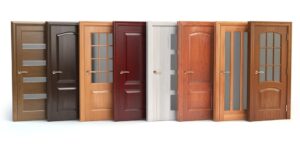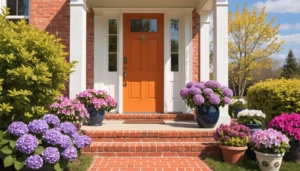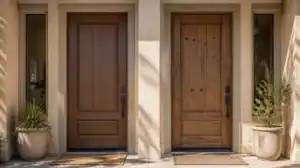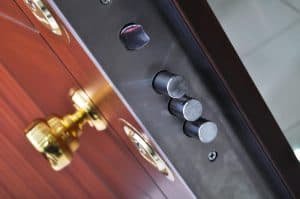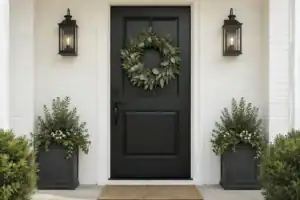
Fiberglass doors give you the look of a wood door with almost none of the upkeep. They do not warp, rot or rust, they insulate well, and a stained finish can pass for real wood. The things to know are the price range, how they crack, and how to refinish one.
This page covers what a fiberglass door is made of, how to care for one, what goes wrong, and how it compares with steel and wood.
What a fiberglass door is made of
A fiberglass entry door is a foam core between two fiberglass skins, usually on a frame of wood composite, laminated veneer lumber or steel. The foam can be sheet or spray-on, and spray foam performs better (Fine Homebuilding).
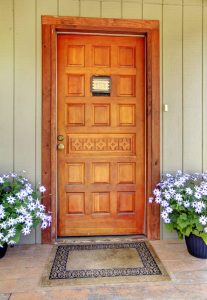
Better doors are textured with molds made from real wood doors, which makes them nearly indistinguishable from wood when painted or stained. Cheaper ones have smooth faces. You can buy a door factory-finished, or unfinished and primed to paint, and factory finishes tend to last longer than ones applied on site.

Why people pick fiberglass
Fiberglass does not warp, rot, shrink or swell with humidity and temperature the way wood does, so the door keeps its shape and avoids winter drafts. It resists insects and can take intense sun and heavy rain. Because it does not expand and contract, molded panels and window grilles do not need recaulking.
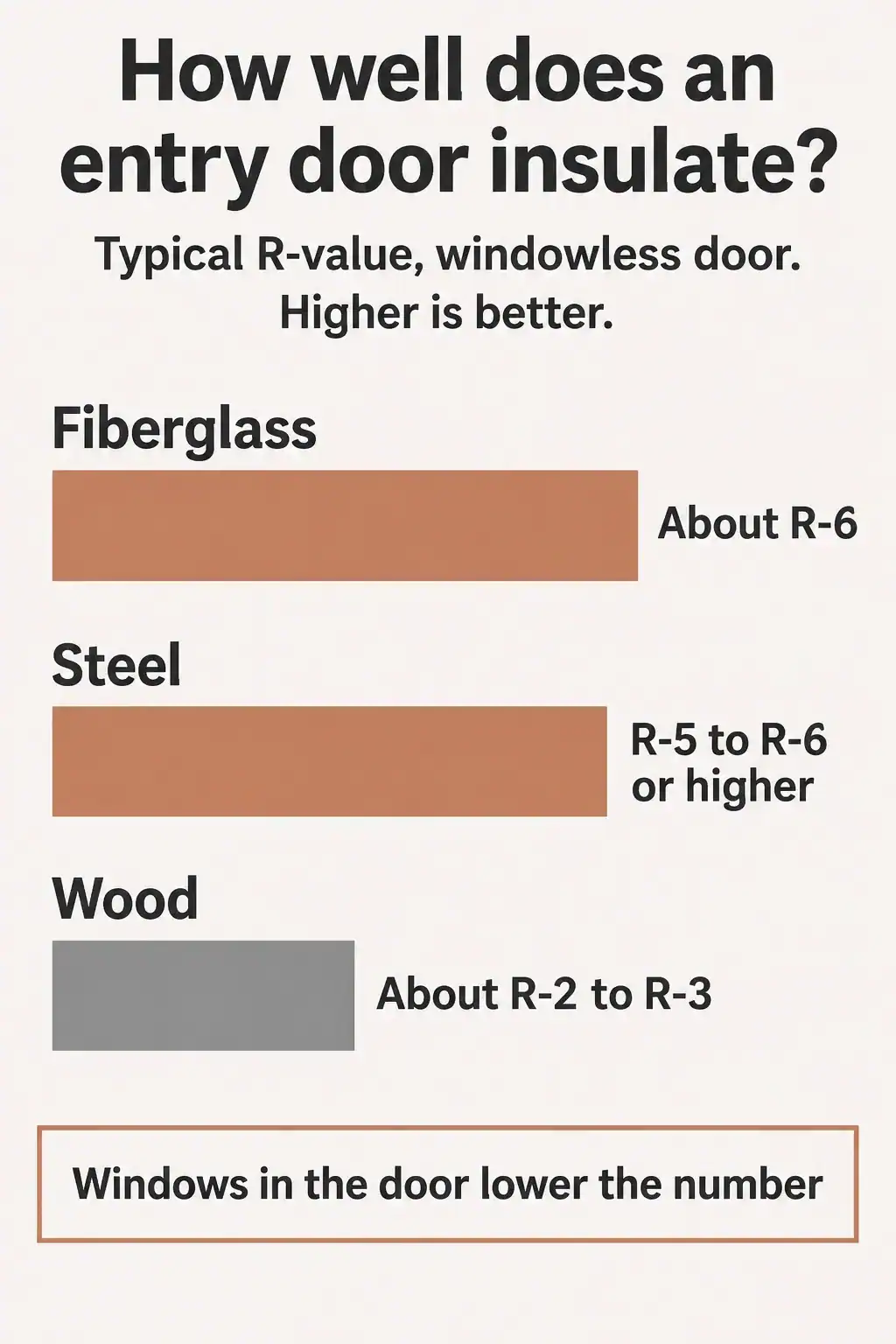
The foam core gives a typical windowless fiberglass door about R-6, against about R-2 for wood. Doors with windows lose some of that, and many makers add low-e glass to compensate.
Looking after a fiberglass door
The only routine upkeep is cleaning with a damp cloth. If the finish fades in strong sun, add clear marine varnish or paint. A stained door should be restained every two to three years with an exterior-grade finish, and fiberglass doors usually carry warranties of 10 years or longer.
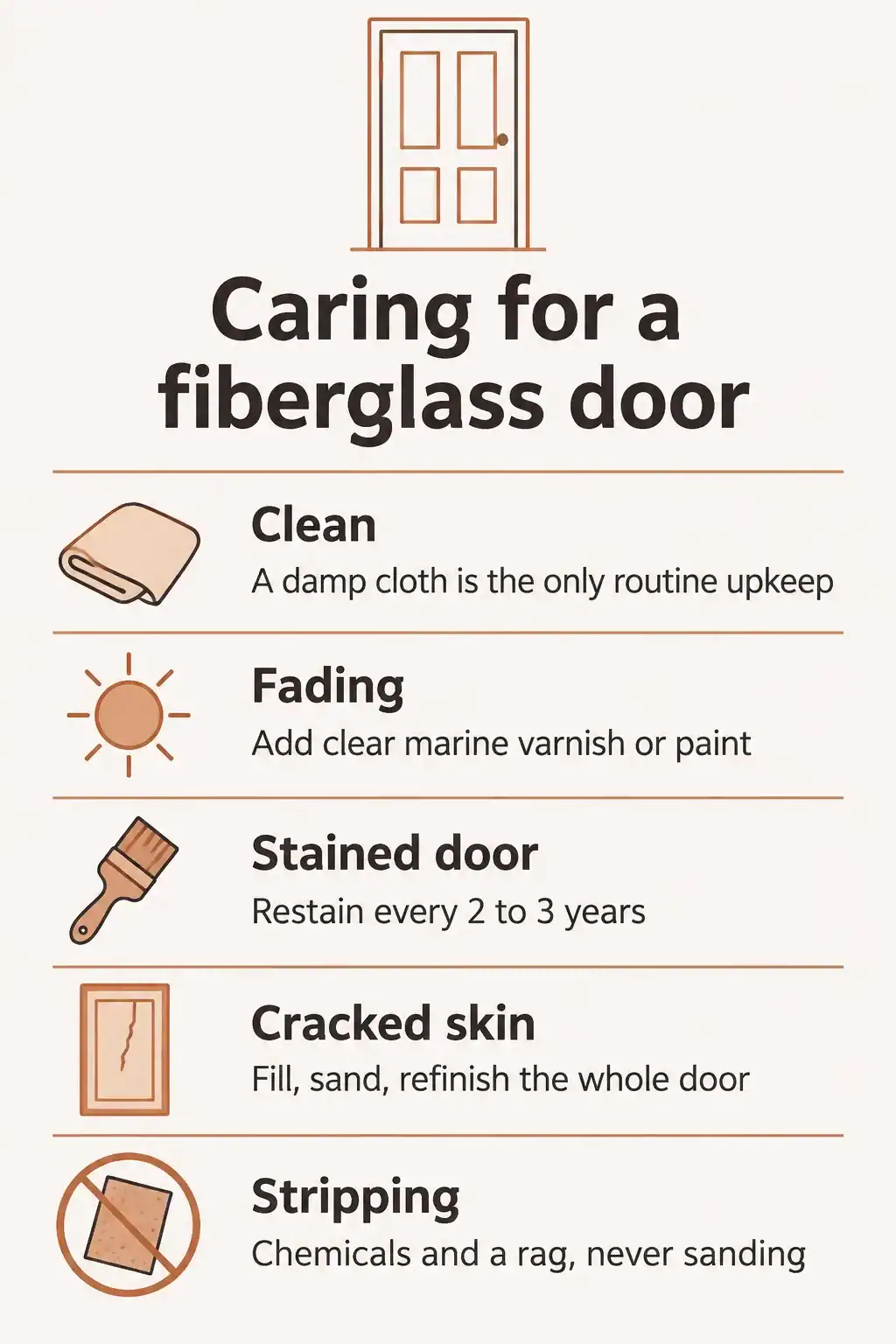
To strip a stained fiberglass door, do not sand it. You rub the stain off with chemicals and a rag. Finish scratches can be repaired by refinishing, and deep scratches with a product similar to auto-body filler.
Can a fiberglass door crack?
Yes. The skin can crack from a hard impact such as a stray golf ball, and it may peel away from the frame. Peeling is more likely if the door has wood stiles or the maker did not seal the rails properly.
These faults are relatively rare, and you can often repair them.
If the skin cracks, fill the gap with auto-body filler, mimic the grain with a sharp pencil while the filler is soft, sand the hardened patch lightly and refinish the whole door. Another guide says fiberglass will not crack or dent, so expect doors to differ by maker.
Our take · Octopus Doors
Fiberglass is the door we would suggest first for most family entries. It forgives sun, rain and kids’ scooters better than wood, and it looks better after ten years than a neglected wood door. Buy one with a good warranty and keep the receipt for the finish.
Price range for fiberglass doors
This Old House gives $150 to $3,000 for the door itself, which makes fiberglass more expensive than most wood and steel. Bob Vila also says high-end fiberglass can pass $3,000, with quality and customization adding to the price.

Fiberglass, steel or wood?
Steel costs less, and it is the strongest against force, but it dents and rusts if the finish is broken. Wood is the most customizable and can be repaired with a plane and filler, but it needs the most upkeep. Fiberglass sits between them on price and wins on upkeep.
Read more in our guides to steel doors, front door materials and solid core wood doors.
Before you buy
- Ask whether the core is sprayed foam or sheet foam.
- Check the frame: wood composite, laminated veneer lumber or steel.
- Choose factory-finished unless you plan to paint it yourself.
- Read the warranty for finish and skin terms.
- Ask for the NFRC rating if the door has glass.