
Choosing fiberglass versus solid wood for a front door in full sun means balancing fade resistance, movement, heat, upkeep, looks, and cost before you commit. This guide narrows the decision to 9 ideas worth your attention, helping you spend well – starting with fade and color retention.
Fade and Color Retention

A UV-ready finish keeps a sun-exposed entry looking consistent for longer.
As an Amazon Associate I earn from qualifying purchases. Affiliate links may earn me a commission at no extra cost to you.
The first full-sun warning is usually visual: the front door no longer matches the trim or façade. A rich stain may look lighter and washed out, a painted surface may turn chalky or uneven, and peeling often begins where the door face, edges, or lower rail take the most exposure.
Fiberglass is the default winner for color retention, but the finish system does the heavy lifting. A UV-resistant factory coating can slow fading and help the color change more evenly, yet fiberglass is not fade-proof; prolonged direct sun will eventually alter its appearance.
Solid wood relies on its clear coat, stain, or paint film as the primary UV shield. Once that surface layer fades, chalks, peels, or cracks, the door needs earlier refinishing, and vulnerable areas can become exposed if the breakdown is ignored.
The aging pattern is different, too. Fiberglass generally fades more slowly and uniformly, while wood can show stronger tone changes, uneven wear, and finish failure at exposed edges, joints, and the bottom rail.
Saveable finish rule: For constant sun, a lighter, higher-LRV color paired with a UV-resistant exterior coating is safer for either material than a dark, low-LRV color with an unspecified finish.
Lighter colors and higher light reflectance value, or LRV, generally absorb less sunlight than dark, low-LRV colors. That reduces full-sun risk, but no specific color should be treated as permanently fade-resistant.
Guidance varies by manufacturer, coating, color, and exposure. Sun-exposed fiberglass may be repainted around every 5–7 years or 5–10 years, while some wood systems may need refinishing every 1–2 years; these are product and industry estimates, not guarantees.
One manufacturer or test claim says a fiberglass door retains 85–90% of its original color after 10 years in direct sun. Treat that figure as a manufacturer/test claim, not an independently verified result that applies to every fiberglass door.
Before you order, verify:
- UV-resistant coating or the approved exterior coating for a field-painted door
- Painted versus stained or clear-coated finish
- Manufacturer suitability for uninterrupted full-sun exposure
- Warranty language covering fade, color change, or chalking – not only structural defects
- Permitted recoating products and the recommended maintenance interval
Do not assume exterior grade means fade-proof. Compare the exact finish instructions and warranty before choosing by slab material alone; once the finish question is settled, the next concern is whether sun-driven movement makes the door stick, gap, or stress its frame.
⭐ Top Doors for Fade Resistance
Primed Double Door With UV Protection
White Oak Door With Clear Glass
💡 Finish Choice Shapes the Aging Look:
For a consistently colored entry, a painted fiberglass finish is usually the calmer visual choice. A stained or clear-coated door – especially solid wood – lets natural tone and finish wear become part of the look, so view a physical sample in changing light before ordering.
Warping and Movement

A stable door keeps seasonal gaps small, seals aligned, and daily arrivals pleasantly uneventful.
A door that opens easily in one season can rub, bind, leave uneven gaps, or refuse to latch after prolonged sun exposure. That is a movement problem, not a cosmetic quirk: a changing slab can stress the frame, disrupt weatherstripping, and let conditioned air escape around the opening.
Fiberglass is the clear stability winner. It does not absorb moisture like wood, so it is far less prone to swelling, shrinking, bowing, twisting, and warping as the entry faces repeated heat and environmental swings.
Solid wood moves across the grain as humidity changes. The supplied figure is approximately 0.1%–0.3% expansion across the grain for each 10% increase in relative humidity; under the cited example, a 36-inch-wide wood door could swell by up to about a quarter inch.
Saveable rule: Even modest across-grain movement can turn a 36-inch wood slab into a seasonal sticking and latching problem.
Full sun can heat one part of a wood door more intensely than another, especially across a face that is partly shaded by trim or an overhang. If the finish is imperfect and moisture can enter or leave through exposed areas, those combined stresses can contribute to bowing, twisting, seasonal gaps, loose panels, and strained rail-and-stile joints.
Look first at the places where movement becomes operational: the bottom rail, exposed edges, joints, and the frame interface. A breached finish at the bottom rail is especially concerning because it leaves a common moisture-entry point less protected.
Fiberglass can still rub or show changing reveals, but investigate the frame and installation before blaming the slab. Check alignment, shimming, clearances, weatherstripping, and whether the opening is square and plumb.
- Inspect all exposed wood surfaces, including edges and the bottom rail, not only the front face.
- Treat finish protection as functional on wood because it slows moisture exchange.
- Use an overhang to reduce stress where possible, while recognizing that a fully exposed opening is the harder condition.
Do not dismiss early sticking or changing reveals. They may signal slab movement, a breached finish, frame misalignment, or an air-seal problem rather than harmless seasonal appearance changes.
Once movement creates gaps or unstable seals, the related concern is heat flow: the next comparison looks at how the complete door assembly – not just the slab – handles direct sun.
⭐ Warp-Resistant Exterior Doors
Solid Core Frosted Glass Door Slab
✨ Editor’s Pick
Stable Composite Entry Door With Glass
Heavy-Duty Door Jamb Repair Plate
💡 Why the Diagnosis Matters:
A rubbing fiberglass door may need alignment or weatherstripping attention, while a moving wood slab may need finish repair before the damage spreads. Identifying the source first prevents an unnecessary door replacement and points the repair toward the frame, seal, or protective coating actually causing the trouble.
Best first move: Track when the problem appears, then inspect the slab, frame, reveals, and seals together.
Heat and Insulation

A better-insulated door assembly helps keep sun-heated entry spaces more comfortable.
A door facing uninterrupted sunlight raises two separate concerns: will the surface feel hot, and how much heat will pass through the complete assembly? Both fiberglass and solid wood become hot in direct sun, so the useful comparison is insulation performance – not a promise that either slab stays cool to the touch.
Fiberglass usually has the thermal advantage because many exterior doors use a foam core. Cited fiberglass ranges are approximately R-5.6 to R-7.1, or roughly R-5 to R-6 for many fiberglass-clad exterior doors without glass.
In the specific comparison of a 1.5-inch-thick fiberglass door without a window against an equal-sized solid wood door, the fiberglass model is reported to provide more than five times the insulating value. That comparison should not be applied to every configuration, especially if one door includes decorative glass and the other does not.
Whole-door, not slab-only: Glass, frame, threshold, weatherstripping, and installation can change heat flow and air leakage. A well-insulated slab can still disappoint if the perimeter seals or frame installation allow air through.
Low-E glazing may reduce energy costs by up to 30%, based on a manufacturer-oriented source, but that claim applies to the glass treatment rather than fiberglass or wood itself. Ask for the exact configuration’s R-value and request NFRC or ENERGY STAR information where available, confirming whether the rating includes glass.
- Check whether the quoted rating covers the complete door or only the slab.
- Confirm the glass type, including any Low-E specification.
- Review the foam-core construction, threshold, weatherstripping, frame, and installation scope.
For a fully sun-exposed entry, fiberglass is the stronger insulation performer in the supplied comparison. The rating on the quote still matters more than the material label alone.
⭐ Heat-Smart Door Sealing Picks
Adjustable Exterior Door Heat Seal
Kerf Seal For Fiberglass Doors
✨ Editor’s Pick
Thick Wood Door Bottom Sweep
✓ Practical Ways to Compare Thermal Performance:
- Compare fairly: Request matching no-glass or glazed configurations before comparing fiberglass and wood R-values.
- Read conditions: Ask whether the quoted rating covers the complete assembly or only the insulated core.
- Trace discomfort: Investigate air leakage around seals and installation before blaming the door material.
At this point, the decision does not need another round of broad material debate; it needs a few details that keep the quote honest. Asking for the complete assembly rating and reviewing energy labels can prevent a slab-only promise from shaping the whole choice.
A handful of documented details can protect the investment more effectively than trying to predict every future variable.
Maintenance Under Sun Exposure

Keep full-sun finishes protected, so your entry stays polished with fewer costly surprises.
Choose the door you can realistically maintain after the finish starts showing wear – not the one that looks easiest on ordering day. Fiberglass usually asks for cleaning, finish checks, and periodic topcoat attention; solid wood demands recurring protection at the edges, joints, and bottom rail.
For fiberglass, use mild soap and water with a soft cloth, then inspect for dullness, peeling, or worn coating. General topcoat guidance ranges from every 2–5 years, with some manufacturers citing 3–5 years; stained fiberglass with a clear topcoat may need attention every 1–2 years.
Exposure changes that schedule. A door with no overhang and intense direct sunlight may need protectant or topcoat attention as often as every six months, while severe-sun care guidance also recommends washing about every three months and using only a manufacturer-approved non-powdering wax or protectant where specified.
Practical rule: Fiberglass is lower maintenance, not maintenance-free. Follow the coating instructions instead of adding an unapproved layer that could interfere with the factory finish.
Solid wood needs at least an annual inspection, and direct or south/west exposure may justify checking it twice a year. Inspect all six sides – not only the face visible from the porch – including the front, back, edges, bottom rail, stiles, rails, joints, and cutouts.
- Use compatible exterior-grade UV clear coats, restaining, recoating, or touch-ups as the finish system requires.
- Treat cracked, peeling, or exposed areas early; wood finish protects against movement as well as preserving appearance.
- Handle cleaning and routine inspection as homeowner work, but hire a professional for stripping, sanding to bare material, major repairs, failed-finish restoration, or work around glass and sealed edges.
Broad refinishing estimates run about $200–$1,500 per door, with standard wood often cited around $300–$1,000 and fiberglass or steel around $350–$1,000. These are project estimates, not a sun-specific price for routine washing or simple topcoat renewal.
Avoid: pressure washing fiberglass, abrasive cleaners, incompatible coatings, or stripping a factory topcoat against the manufacturer’s instructions.
The maintenance gap matters because skipped protection can turn a manageable finish issue into surface damage and more involved refinishing. If recurring inspection and recoating already feel unrealistic, solid wood is probably the wrong full-sun match regardless of how much you love its initial character.
⭐ Maintenance Products Worth Buying
✨ Editor’s Pick
Water-Based Satin Wood Varnish
Door Painting And Stacking Tool
Red Cherry Water-Based Wood Stain
🔢 The Right Maintenance Sequence:
Following the steps in order helps you spot finish failure early and prevents unnecessary stripping, sanding, or recoating.
- Wash gently, using mild soap and approved protectant guidance for the existing finish.
- After drying, inspect edges, bottom rail, joints, cutouts, and less-visible surfaces for finish wear.
- Apply only a compatible topcoat, or arrange professional refinishing when sanding or major repair becomes necessary.
Durability Over Time

Choose the door that keeps performing beautifully through years of relentless sunlight.
Durability has two parts: how long the slab remains structurally usable and how much work it takes to keep owning it. In constant sun, the finish and surface system may show failure before either door reaches the end of its service life.
Fiberglass has the longer broad service-life profile, commonly cited at 30–50+ years with proper installation and appropriate finish care. Its typical aging pattern is gradual fading or finish degradation rather than major structural movement, although finish quality, installation, and product construction still matter.
Solid wood is more variable, with supplied estimates ranging from roughly 15–30, 20–30, or 20–40 years. High-end wood can reach 60+ years with regular refinishing, but neglected wood may deteriorate within 10–15 years, so the material’s potential lifespan depends heavily on whether its protective finish is maintained.
Ask what fails first: fiberglass generally buys more tolerance for missed maintenance, while wood can reward consistent care with a very long life but penalize skipped protection sooner.
Wood’s finish is not merely decorative under full sun. Repeated finish breakdown, cracking, splitting, swelling, and joint stress can spread into the slab or frame when exposed edges and surfaces are left unprotected.
Installation quality affects both materials. A stable fiberglass slab can still disappoint if the opening, frame, seals, or alignment are poor, while a wood door needs an exposure-suitable finish system covering its exposed surfaces rather than only the visible front face.
- For fiberglass, verify a UV-resistant finish, suitable core or reinforcement, and installation that keeps the frame and perimeter seals properly aligned.
- For wood, verify exterior suitability, the complete finish system, exposed-edge protection, and the refinishing schedule required for direct sun.
- Treat the lifespan ranges as broad guidance, not a standardized independent full-sun head-to-head test.
The practical choice is clear: fiberglass is usually the safer long-term default for an uninterrupted-sun opening, especially if missed maintenance would be likely. Solid wood earns its place when authentic construction or custom design justifies the recurring care required to preserve it.
⭐ Durable Doors And Hardware
Storm Door Handle With Deadbolt
✨ Editor’s Pick
Pine Dutch Door With Tempered Glass
Aluminum Exterior Door Bottom Sweep
📈 Long-Term Value Check:
A durable full-sun door protects value mainly by reducing premature repair or replacement risk, not by guaranteeing a resale premium. Fiberglass offers more predictable ownership for a standard opening, while well-maintained wood can support a distinctive custom entry – provided its finish never becomes an obvious deferred-maintenance issue.
Best value test: Choose the material whose upkeep you can realistically sustain throughout the door’s expected service life.
Appearance and Grain

Choose a door whose texture still feels right at arm’s length years later.
From the sidewalk, a molded woodgrain fiberglass door can look remarkably convincing. Move closer, though, and the difference often appears in the repetition: natural wood has knots, pores, cathedral patterns, and irregular figure, while a molded or pressed-in pattern follows a more predictable rhythm across the slab. Floor pairings are in natural wood doors with grey floors.
That close-up distinction matters more on a large entry door, beside matching sidelights, or anywhere guests regularly pause near the threshold. Fiberglass can imitate oak, walnut, mahogany, fir, or cherry and usually delivers a consistent appearance from normal viewing distance, but repeated grain may look uniform at the corners, edges, and panel transitions.
Solid wood wins on authenticity. Its surface has genuine variation tied to the species and cut, along with broader options for species-specific grain, custom profiles, unusual panel layouts, carved detail, and bespoke sizing.
Full sun changes how that choice feels over time. Wood’s shifting tone and visible finish wear may add character if natural aging is part of the look you want; if you want the entry to keep a controlled, even appearance, those changes can become the source of purchase regret. Fiberglass generally holds its factory look more consistently, although its finish can still change and its grain will not become naturally irregular with age.
Decision rule: choose fiberglass when visual consistency and a convincing wood-look finish are enough; choose solid wood when close-up natural variation or custom architectural detail justifies the ongoing inspection, sealing, and refinishing required in full sun.
Finish choice changes both the visual result and the care commitment. Smooth fiberglass supports a flush, modern look, while textured fiberglass leans wood-inspired; painted, stained, and clear-coated options depend on the specific product. Wood can also be painted, stained, or sealed, but its authentic surface still needs regular protection from the exposure.
Before ordering, inspect a physical sample rather than relying on online photography. Check:
- Grain repetition across the center, corners, edges, and panels.
- Surface depth and pores under more than one light angle.
- Whether the sample is factory-painted, stainable, or clear-coated.
- How the finish looks beside your trim and surrounding façade.
- Whether the visual appeal still holds at arm’s length, where molded patterns are easiest to judge.
⭐ Standout Grain And Glass Doors
Modern White Slab Door With Glass
White Sliding Tracks For Door Panels
✨ Editor’s Pick
Wood Grain Aluminum Folding Door
🏡 How This Works in a Real Home:
- Entry scale: A large uninterrupted slab makes repeated fiberglass grain easier to notice than on a smaller paneled door.
- Daily contact: Compare sample textures by touch, since natural wood variation can make frequent entry use feel more substantial.
- Living with aging: Choose wood only if changing tone feels intentional, not like a finish problem you’ll resent later.
Cost

Compare the complete ownership picture before choosing the door that fits your home.
A door quote can look affordable because it covers only the slab, while a higher number may include a prehung system, finish, hardware, removal, and installation. For a full-sun entry, compare the complete project and its future care, not two sticker prices that cover different things.
The ranges are broad for a reason. Standard versus custom sizing, wood species, glass, style, finish, hardware, frame or jamb work, threshold, trim, shimming, weatherstripping, delivery, disposal, permits, and opening repairs can all change the final number.
For general budgeting, door installation averages about $1,165, with a typical range of $500–$1,880, but those figures are not material-specific. A slab-only fiberglass quote should not be compared with a fully installed custom wood entry.
Cost warning: A wood quote that leaves out future refinishing is not a complete ownership comparison. Thompson Creek provides a vendor benchmark of $300–$600 in annual wood refinishing costs, or $9,000–$18,000 over 30 years; treat those figures as estimates, not a universal bill.
Broad refinishing estimates run from about $200 to $1,500 per door, though routine washing and simple topcoat renewal are not represented consistently in those figures. Fiberglass usually gains its financial advantage through fewer refinishing and repair cycles, not through a guaranteed energy payback.
Build your quote worksheet
- Door slab or prehung system
- Finish, glass, and hardware
- Installation, frame work, threshold, shimming, and weatherstripping
- Delivery, removal, disposal, permits, and opening repairs
- Recurring refinishing or topcoat renewal
Request two quotes with identical scope, then ask which line items are excluded. The lower initial price may still cost more over time if it leaves you paying for repeated wood refinishing or unlisted frame and installation work.
⭐ Best Entry Doors For Budget Updates
✨ Editor’s Pick
Affordable Pine Six-Lite Entry Door
Budget Keyed Matte Black Door Knob
Adjustable Black Door Bottom Sweep
📈 The Long-Term Payoff:
Fiberglass tends to hold its value as a practical investment when a standard, sun-exposed opening rewards fewer refinishing cycles. Solid wood can justify its higher ownership burden when custom proportions or authentic construction are central to the home, but not when those features will be overlooked or poorly maintained.
Best value test: Spend more on wood only when its custom character matters enough to support the ongoing care.
Best Use Cases

Match the door to the exposure, opening, appearance goal, and maintenance commitment.
The right material depends on the opening as much as the door itself. A standard uncovered entry with daily direct sun calls for a different decision than a custom architectural doorway where genuine wood construction is the main reason for the project.
Standard, uncovered or lightly covered opening
Best fit: fiberglass. Dimensional stability, lower upkeep, and more predictable finish performance matter most when the slab receives uninterrupted sun every day. Verify the exposure pattern, required opening size, UV-resistant finish, and whether the quote covers a standard prehung system or only the slab.
Wood-inspired appearance with limited maintenance tolerance
Fiberglass suits a homeowner who wants an oak, walnut, mahogany, fir, or cherry-inspired surface without committing to recurring wood sealing and refinishing. Inspect a physical sample close up, since molded grain can look more uniform or repetitive across a large slab, and confirm the factory finish is intended for full-sun exposure.
Custom size, unusual proportions, or carved detail
Best fit: solid wood. Wood can be customized to virtually any size, shape, or thickness, making it the stronger match for unusual geometry, species-specific grain, custom profiles, bespoke panel layouts, or carved detail. Verify the required dimensions, thickness, finish system, hardware preparation, installation scope, and ongoing refinishing schedule before ordering.
Premium traditional entry where authentic grain leads
Solid wood earns its place when natural knots, pores, cathedral patterns, irregular figure, and traditional construction matter more than low-maintenance ownership. Confirm the door is finished for exterior full-sun use and decide in advance who will inspect, seal, recoat, and refinish it.
Quick buyer checklist
- Record whether the opening has uninterrupted sun, partial cover, or an overhang.
- Specify slab-only, standard prehung, or fully custom construction.
- Confirm factory-painted versus stainable finish and warranty coverage for fading or chalking.
- Request the complete-door thermal rating, including whether glass is part of the rating.
- Assign responsibility for the frame, threshold, weatherstripping, sealing, shimming, and installation alignment.
Maintenance tolerance is a design constraint, not a personality detail. If a wood refinishing schedule will not happen, custom appearance alone cannot make solid wood a suitable full-sun choice; the next section weighs these exceptions against the overall scorecard.
⭐ Exterior Door Solutions We Love
Fiberglass Garage Door Screen
✨ Editor’s Pick
Insulated Magnetic Door Curtain
Metal Front Door Weather Awning
💡 Why the Opening Profile Matters:
Matching the door to the opening prevents an expensive compromise: fiberglass avoids unnecessary upkeep in a standard exposed entry, while solid wood earns its premium when the geometry or architectural detail cannot be treated as standard. That keeps the material choice tied to what the project genuinely requires, not simply the look shown in a photograph.
Best decision test: Choose the material that satisfies the opening’s non-negotiables before adding appearance preferences.
Final Verdict

Choose the door that keeps full-sun performance aligned with your maintenance and design priorities.
For constant direct sunlight, fiberglass is usually the better all-around default. It generally holds color longer with a suitable UV-resistant coating, moves less, insulates better, and asks for fewer demanding finish projects.
Solid wood can still be the right purchase when authentic grain, unusual proportions, or custom architectural detail matters more than predictable upkeep. That choice makes sense only when regular inspection, sealing, recoating, and refinishing are part of the ownership plan – not tasks you hope to handle later.
Tie-breaker: if close-up natural grain matters more than maintenance simplicity, investigate solid wood; if reliable full-sun operation and reduced upkeep matter more than grain authenticity, select fiberglass.
Choose fiberglass for a standard, fully exposed opening, especially when the goal is predictable performance and a wood-inspired appearance. Choose solid wood for custom sizing or architectural detail, or when genuine natural variation is the reason for the purchase and the recurring care schedule is acceptable.
There is no single independent, standardized head-to-head full-sun test behind this conclusion; it synthesizes manufacturer, industry, and homeowner-facing guidance. Neither material stays unchanged without care, and the whole assembly matters as much as the slab.
Before ordering, verify:
- UV-resistant finish, fade warranty, and approved recoating products
- Whole-door thermal rating, foam core where applicable, and glass specification
- Slab versus prehung scope, frame and seal responsibility, threshold, and weatherstripping
- Installation alignment and the written maintenance schedule
- Lifecycle quote that includes recurring refinishing where applicable
Use the full-sun front-door comparison checklist and quote worksheet to place the exact fiberglass and wood configurations side by side before ordering.
⭐ Final Front Door Picks
Keyed Double Door Security Lock
Heavy-Duty Bronze Door Hinges
💡 Why the Default Favors Fiberglass
Fiberglass gives a full-sun entry more tolerance when real life gets busy: a missed topcoat renewal is less likely to become immediate movement, finish failure, or a sticking door. Wood can deliver a richer result, but its value depends on consistently protecting the finish across the entire assembly.
Decision advantage: Choose the material whose maintenance demands you can realistically sustain for the door’s entire service life.
With all nine considerations on the table, Fiberglass vs Wood Front Doors for Full Sun comes down to the demands you want the entry to meet. Fiberglass generally offers steadier color, less movement, stronger reported insulation, lower upkeep, and a more predictable service-life profile. Solid wood brings authentic grain, natural variation, custom sizing, and traditional character, but its appearance and longevity depend much more on regular sealing, inspection, and refinishing. The real cost also includes the frame, glazing, installation scope, and recurring finish work – not only the initial door price.
You do not need to resolve every detail before making progress. Start with the one or two calls that carry the most weight: whether the opening needs standard or custom construction, and whether the maintenance schedule is genuinely acceptable. Then use the full-sun comparison checklist and quote worksheet to compare finish, thermal rating, seals, installation, and long-term care side by side. Once those priorities are clear, choosing between fiberglass and wood becomes a measured decision – and the finished entry will show that judgment.
Related posts
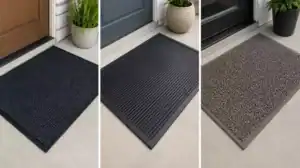 14 Door Mat for Front Door That Won’t Fade in Full Sun
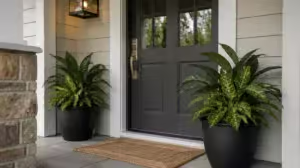 10 Front Door Plant Ideas for Entrances That Get Almost No Sun
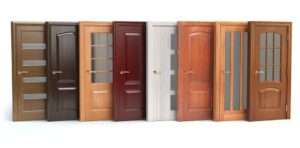 Door Materials Compared: Wood, Steel, Fiberglass and More
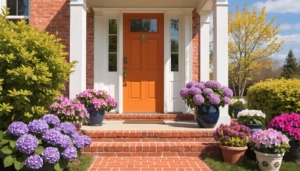 Fiberglass vs. Steel Front Doors: Which One Is the Better Investment?
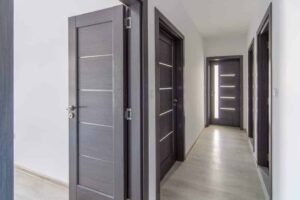 Fiberglass Doors
 Are Fiberglass French Doors Good?
 10 Cream Front Doors That Pair Perfectly With Natural Wood Tones
 Wood or Glass Front Doors and What Each Gives Up