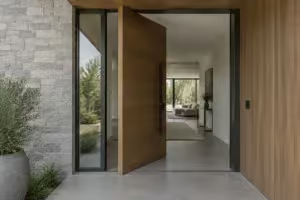

A naked entryway often lacks the architectural weight needed to feel complete. Using potted front door trees acts as a permanent, living frame for your home. This guide rounds up 12 container-friendly options worth saving so you can find the perfect fit for your porch.
Boxwood

Achieve a polished, estate-grade look with these low-maintenance, perfectly structured evergreen pillars.
As an Amazon Associate I earn from qualifying purchases. Affiliate links may earn me a commission at no extra cost to you.
Dense, clipped boxwood provides the kind of architectural permanence that makes a front entrance feel grounded and intentional. Because these shrubs hold their shape and stay green year-round without shedding, they keep your porch floors clean and your entry looking crisp in every season.
When selecting your plants, prioritize slow-growing cultivars like ‘Green Velvet’ or ‘Green Gem’ to avoid the headache of constant repotting. These varieties maintain their tight, rounded habit for years, acting as a reliable, neutral backdrop that pops against black or navy door colors.
Maintenance Essentials
- The Haircut Schedule: Plan for a light trim twice a year, typically in late spring and early fall, to encourage dense growth.
- Preventing Interior Browning: Regular pruning allows sunlight to reach the center of the shrub, which keeps the interior foliage from thinning out or turning brown.
- Pot Material Matters: Use heavy terracotta or concrete containers to provide the stability needed for top-heavy growth; lightweight resin can tip over on windy, exposed porches.
If you live in an area with harsh winters, keep in mind that containerized boxwood roots are more exposed than those in the ground. Simply moving your pots closer to the house wall during a deep freeze can provide the extra insulation needed to keep your greenery thriving.
⭐ Top Boxwood Plants for Your Entryway
✨ Editor’s Pick
Artificial Boxwood Ball Plants for Porch
Faux Cypress Bushes for Autumn Decor
Classic Black Urn Planters for Trees
💡 Practical Tips for Luscious Boxwood:
- Morning Sun Preference: Place pots where they receive bright, indirect light to keep the leaves vibrant and prevent sun-stressing.
- Consistent Hydration: Use a moisture meter to check soil daily; container-grown boxwood dries out much faster than garden-planted shrubs.
- Potting Soil Quality: Use a high-draining, nutrient-rich potting blend to prevent root rot while encouraging steady, healthy foliage development.
Spiral Topiary

Create an instant focal point that pulls the eye upward and adds architectural movement to your entryway.
This is the definitive choice for homeowners who want their porch to act as a conversation starter rather than just a pass-through. The sculptural movement of a spiral topiary draws the eye upward, effectively making a standard-height door feel taller and more imposing.
The negative space created by the spiral cuts allows light to pass through the canopy, preventing the entry from feeling overly heavy or blocked. Because these trees are shaped specifically to grab attention, they function best when placed symmetrically on either side of the entrance.
Warning: Wind-Prone Porches. Even with a heavy, wide-based pot, a spiral topiary acts like a sail when strong gusts hit your entrance. If your home is in a high-wind corridor, choose a sturdier, compact shrub instead to avoid constant tipping.
When shopping for a spiral, look for a tight graft where the foliage meets the trunk – a high-quality specimen will have consistent density throughout the entire curve. You should also aim for a height ratio where the tree reaches roughly 1/3 to 1/2 the height of your door to maintain visual balance.
Understand that this is a high-maintenance selection. If you stop trimming the growth, the spiral pattern will quickly disappear into a bushy, unrefined shape; you must be committed to regular pruning to keep the lines sharp.
⭐ Spiral Topiary Trees We Love
Artificial Cedar Topiary Trees for Porch
✨ Editor’s Pick
Faux Cypress Topiary Balls for Outdoors
Lifelike Artificial Cedar Trees for Entryways
📋 Quick Reality Check: Before You Buy
- Graft Integrity: Inspect the point where the foliage meets the stem; avoid specimens with loose, splintering, or uneven grafts.
- Porch Clearance: Measure your entryway width to ensure the spiral’s “twists” won’t snag passing coats or bags daily.
- Sun Exposure: Confirm your porch receives enough light to maintain the dense foliage required to keep the spiral pattern visible.
Italian Cypress

Create a dramatic, narrow focal point that adds height without sacrificing precious porch floor space.
If your entryway feels cramped or you are working with a narrow urban stoop, Italian Cypress is your most effective architectural hack. These trees grow in a tight, vertical column that provides significant height without the horizontal spread that makes other plants compete for space.
The feathery, blue-green needles offer a soft, natural texture that breaks up the severity of brick or stone entryways. Because they are naturally drought-tolerant, they thrive in south-facing spots that get baked by intense afternoon heat.
Warning: Avoid Wet Feet
These trees despise soggy soil and will yellow rapidly if water sits in the container. Always ensure your pots have large drainage holes and use a well-draining potting mix specifically formulated for Mediterranean species.
When selecting your containers, look for tall, weighted bases to prevent wind-tipping as the tree matures. You can expect a consistent, clean silhouette that requires very little intervention, making this a low-maintenance choice for those who value structure over constant pruning.
⭐ Best Italian Cypress for Curb Appeal
✨ Editor’s Pick
Tall Artificial Cedar Trees for Entryways
Modern Black Tapered Planters for Trees
📋 What to Check First
- Vertical clearance: Ensure tall plants won’t interfere with overhead porch lights, hanging baskets, or low-hanging door architectural trim.
- Base stability: Check that your porch surface is perfectly level to prevent these tall, narrow columns from leaning or tipping.
- Drainage path: Confirm that water runoff from the pot won’t stain your specific porch flooring material or pool against the door frame.
Navigating the long-term health of container plants is simpler than it appears, as most entryways thrive on just a few smart management habits. Focusing on consistent root care and seasonal hydration ensures your setup stays vibrant while you explore the perfect front door designs to anchor your home.
Prioritizing root health and proper drainage is the most effective way to ensure your entryway foliage stays lush and resilient through every season.
Dwarf Alberta Spruce

Achieve a crisp, holiday-ready structure that maintains its perfect cone shape year-round.
The Dwarf Alberta Spruce is the ultimate choice for homeowners seeking a low-effort, high-impact silhouette. Its extremely slow growth rate means you won’t be fighting to keep it within the bounds of a container, making it a true set-it-and-forget-it specimen.
Because of its naturally dense, cone-shaped habit, this tree resists wind damage better than more delicate, feathery evergreens. It holds a formal, structured presence that makes your entryway look finished even without seasonal decorations.
Watch for spider mites: In hot, dry entryways, these pests can quickly cause interior needles to brown and drop. Inspect the foliage regularly and keep the tree hydrated to prevent an infestation before it starts.
While it is a hardy conifer, remember that container-bound roots lack the insulation of the ground. Provide winter protection during hard freezes to prevent the roots from suffering frost damage.
- Frequent Hydration: Potted spruce trees dry out faster than those in the landscape, requiring consistent monitoring during summer heat.
- Winter Burn: Protect the needles from harsh, drying winds and direct winter sun to keep the foliage from turning brittle or discolored.
- Late-Season Grooming: Perform a light, careful trim in late summer to maintain that razor-sharp cone profile.
This tree is ideal for those who want a formal, evergreen look that stands up to the elements. If your porch is exceptionally hot and dry, be prepared to commit to a strict watering schedule.
⭐ Dwarf Spruce Trees to Consider
✨ Editor’s Pick
Artificial Cedar Topiary Trees for Outdoors
Artificial Cedar Trees with Barrel Planter
🔢 The Right Sequence for Long-Term Health
Establishing a consistent care routine immediately upon installation prevents the stunted growth and root stress common in container-grown conifers.
- Pot selection: Choose a container with superior drainage holes to prevent the Spruce’s roots from sitting in stagnant water.
- Regular monitoring: Check soil moisture daily during the first month, as containers dry out significantly faster than ground soil.
- Root maintenance: Plan to pull the tree every 2–3 years for root pruning or repotting to ensure continued vigor.
Olive Tree

Bring organic, Mediterranean character to your entryway with the shimmering silver foliage of an olive tree.
The olive tree is the go-to choice for homeowners chasing a relaxed, organic vibe that feels right at home against modern farmhouse or coastal architecture. Its silver-green leaves catch the light beautifully, creating a shimmering effect that softens the rigid lines of a standard entryway.
The gnarled, woody trunk provides an immediate sense of age and established character, making it look like it has been part of your home for years. This is not a plant for a shaded porch, however; it requires maximum sun exposure to thrive and keep its foliage dense.
Pro-Tip for Consistent Growth: Use a lightweight, wheeled plant caddy underneath your container. This allows you to easily rotate the tree every few days, ensuring every side gets equal sun exposure so it grows evenly rather than reaching toward the light.
If you are planning to add an olive tree to your front porch, keep these specific needs in mind:
- Pot Selection: A weathered, wide-rimmed terracotta pot complements the rustic bark texture and provides the breathability the roots prefer.
- Climate Reality: If you live in a cold climate, be prepared to move the tree indoors during the winter months.
- Light Requirements: Avoid north-facing or deeply covered porches, as this tree will quickly become leggy and lose its leaves without direct sunlight.
This is the ultimate choice for those who want a California-cool aesthetic that feels intentionally styled but low-maintenance. Stick to varieties labeled as dwarf or container-friendly to ensure the tree stays proportional to your doorway as it matures.
⭐ Olive Trees That Look Real
✨ Editor’s Pick
Ceramic Flower Pots for Olive Trees
🏡 How This Works in a Real Home:
- Placement strategy: Group them at the base of your entry steps to soften hard masonry or concrete borders.
- Daily maintenance: Keep a small hand-mister nearby to hydrate leaves during dry spells, keeping them lush and vibrant.
- Natural styling: Avoid rigid, tight pruning; let the naturally branching limbs create a loose, welcoming, and lived-in silhouette.
Bay Laurel

Elevate your entryway with the crisp, aromatic presence of a perfectly shaped culinary classic.
Every time you step through your front door, the Bay Laurel rewards you with the sharp, clean fragrance of its crushed leaves. It is the ideal pick for homeowners who want a plant that feels like a distinct architectural feature rather than just another bush.
Because it grows slowly, this tree is incredibly easy to manage in a container for years. You can keep it as a natural, rounded shrub or train the central stem into a formal “lollipop” standard tree for a more structured, high-end look.
Pro Tip: Since Bay Laurel is a common culinary herb, keep it away from areas where you might apply chemical pesticides or lawn treatments. It is a dual-purpose plant that thrives best when kept strictly organic.
Use this table to decide how to maintain your Bay Laurel for the best visual impact:
If you prefer a low-maintenance, polished entrance, this is your best bet. It is perfect for those who value structure, but you should skip it if your porch is prone to extreme, prolonged freezing temperatures, as it prefers a sheltered spot.
⭐ Bay Laurel Trees We Love
✨ Editor’s Pick
Artificial Lemon Garland for Summer Decor
✨ Finishing Touches for Your Entryway
Beyond the plant itself, thoughtful styling ensures your Bay Laurel feels like a intentional design choice rather than a random container.
- Pot selection: Use a tall, classic urn in a matte terracotta finish to highlight the laurel’s Mediterranean heritage.
- Layering ground: Add a small, low-growing groundcover like creeping thyme at the base to soften the container edge.
Japanese Maple

Bring seasonal movement to your entry with a delicate, color-changing focal point.
The Japanese Maple is the only tree on this list that offers a dramatic seasonal shift, moving from fresh spring greens to fiery autumn reds. Its delicate, lace-like foliage provides a necessary visual break from solid surfaces like heavy wood or metal doors.
Because these trees naturally prefer dappled light, they are the best choice for a north-facing entry or a porch with overhead coverage. You must be careful to avoid direct, harsh afternoon sun, which can easily scorch the thin leaves and leave the tree looking ragged.
Pro Tip: Choose a Weeping Variety
Opt for a “weeping” or “dissectum” cultivar to get that soft, artistic curve that naturally spills over the edge of a pot. This habit creates a much more intentional, high-end silhouette than the rigid upright varieties.
Selecting the right container is half the battle when styling this tree. Look for a pot that complements the leaf color – a deep navy or slate grey vessel lets the red foliage pop, while a glazed cream pot highlights the subtle green varieties.
Avoid this mistake: Do not use standard garden soil, which packs too tightly and encourages root rot. Use a high-quality, bark-heavy potting mix that allows for fast drainage around the sensitive root system.
⭐ Japanese Maple Trees for Your Home
✨ Editor’s Pick
Artificial Eucalyptus Tree for Fall Decor
Artificial Cedar Topiary Trees with Lights
💡 Why This Works
The Japanese Maple’s primary strength is its structural “lightness.” Because the leaves are finely dissected, they create a soft, airy silhouette that prevents your entryway from feeling cluttered or heavy. This visual transparency allows more light to reach your door while still providing the necessary architectural framing that defines a finished porch.
Design Benefit: The weeping habit draws the eye toward the ground, making your entryway feel more grounded and inviting.
Lemon Tree

Bring a hit of Mediterranean color and a fresh, citrus scent to your front porch.
A lemon tree is the go-to choice if you want your entry to feel like a living garden rather than a formal estate. The combination of glossy, evergreen foliage and bright, hanging fruit provides an immediate pop of color that standard conifers just can’t match.
Because these are citrus plants, they are strictly for sunny, warm-climate porches or protected entryways during the growing season. If you live in an area with freezing winters, you must be prepared to move these pots indoors once the temperatures drop.
The “Hungry” Plant Rule: Citrus are heavy feeders that will quickly yellow if neglected. Use a high-quality citrus potting soil and commit to a regular fertilization schedule to keep the leaves deep green and the fruit healthy.
When selecting your specimen, look specifically for dwarf cultivars labeled for container growth. These varieties are bred to maintain a compact, manageable size while still producing full-sized fruit that won’t overwhelm your doorstep.
- Fragrance: The blossoms provide a sweet, clean scent every time you step through the door.
- Potting: Always use a container with excellent drainage, as citrus roots are prone to rot in soggy soil.
- Maintenance: Use a lightweight, wheeled plant caddy so you can easily rotate the tree to ensure even sun exposure on all sides.
- Weight: Be mindful that a heavy crop of fruit can make the tree top-heavy; choose a wide-based, sturdy pot to prevent tipping in the wind.
Arborvitae

Create an instant sense of privacy and grand scale with vibrant, fan-like evergreen foliage.
If your entryway feels exposed or lacks physical presence, arborvitae is the go-to choice for creating a sense of enclosure. Unlike the rigid structure of boxwood, its fan-like needles provide a softer, more fluid silhouette that fills large gaps around a door frame.
This tree is a top contender for homeowners who want an immediate, high-impact result. Its fast-growing nature means you can achieve a mature look quickly, though be prepared to keep up with regular pruning to prevent it from outgrowing its footprint.
Pro-Tip: Avoid the “Leggy” Look
Arborvitae is prone to browning out in the center if it doesn’t get enough sunlight on all sides. Rotate your pots once a week during the growing season to ensure even light exposure and keep the inner branches healthy.
Because these trees can grow quite tall, they are best suited for grand, wide entryways rather than narrow urban stoops. They stay a deep, rich emerald green throughout the winter, providing a consistent anchor for your home’s facade even when other plants go dormant.
If your porch is prone to heavy gusts, ensure you use heavy ceramic or stone pots for these trees. The height and density of arborvitae act like a sail; a light plastic container will likely tip over during the first strong storm.
⭐ Arborvitae Trees Worth Buying
Ceramic Planter for Indoor Ficus Trees
Tall Outdoor Planters for Tree Pots
✨ Editor’s Pick
Artificial Ficus Branches for Vase Filler
💡 Why This Works: The Psychology of Enclosure
Arborvitae functions like a living architectural screen. By softening the sharp edges of a door frame with fluid, fan-like foliage, you create a perceived “cushion” of space that makes an entry feel more intimate and secure, successfully bridging the gap between a standalone building and the surrounding landscape.
Visual Benefit: It grounds grand entryways by adding vertical weight that doesn’t feel overly stiff or formal.
Ficus

Bring the living room aesthetic outdoors with the polished, architectural presence of a braided Ficus.
The Ficus is the definitive choice for a covered, protected porch that functions like an extension of your indoor living space. Its signature braided trunk provides an immediate sense of maturity and design intent that younger, single-stem trees often lack.
The leaves are thick, waxy, and highly reflective, which helps brighten up a dark or recessed entryway. This tree creates a high-end, transitional look that bridges the gap between your interior decor and your home’s exterior facade.
The “Fussy” Factor: Ficus trees can be sensitive to environmental shifts, so avoid placing them in areas with heavy, direct wind tunnels.
Once you find a spot where the tree thrives, leave it there; constant relocation often triggers leaf drop.
Because they are not naturally hardy in every climate, they are best suited for porches that offer overhead cover and some protection from frost. If you live in a region with harsh, freezing winters, be prepared to move these indoors or into a garage during the coldest months.
- Root Management: Use a high-quality, well-draining potting mix and consider root pruning every two years to maintain size.
- Light Needs: They prefer bright, indirect light; too much harsh afternoon sun can scorch the glossy foliage.
- Temperature Stability: Aim for consistent, stable temperatures to avoid the common “stress” response of yellowing leaves.
⭐ Ficus Trees That Elevate Spaces
✨ Editor’s Pick
Large White Planters for Indoor Trees
🏡 How This Works in a Real Home:
- Strategic placement: Position your Ficus in a naturally sheltered alcove where it won’t be whipped by cross-breezes every time the door opens.
- Draft prevention: Keep the pot away from direct door-swing paths to prevent constant brushing against the waxy leaves, which can cause premature shedding.
- Visual grounding: Use a pot with a wider base than the trunk to ensure the tree feels anchored and stable in a high-traffic entry.
Fern Pine

Create a soft, welcoming entryway with the graceful, weeping texture of this low-maintenance evergreen.
The Fern Pine is the most forgiving choice for homeowners who want a soft, non-intimidating aesthetic at their front door. Unlike rigid conifers, its needle-like leaves have a gentle, weeping habit that feels relaxed and welcoming rather than strictly formal.
This tree is ideal for busy households because it is remarkably drought-tolerant once established in its container. It thrives in various light conditions and requires far less fussing than traditional boxwoods or fussy topiaries.
Pro-Tip for Shape: Use a tall, cylindrical pot to emphasize the tree’s natural cascade. This elevation allows the foliage to drape gracefully, creating a sculptural focal point that draws the eye upward.
You can easily customize the look of a Fern Pine through simple maintenance. If you prefer a structured appearance, it handles pruning exceptionally well and can be trained into a formal column or a dense, rounded mound.
Quick Care Guide:
- Pruning: Trim back new growth in late spring to encourage density and keep the shape compact.
- Potting: Choose a container with excellent drainage to prevent root issues, as it dislikes sitting in standing water.
- Positioning: It performs best in partial shade to full sun, making it a reliable pick for most porch orientations.
Skip this option only if your porch experiences extreme, sustained sub-freezing temperatures for long periods, as it prefers milder climates. Otherwise, it is a top-tier performer for adding organic, soft movement to any hard-edged entryway.
⭐ Fern Pine Trees We Love
✨ Editor’s Pick
Small Artificial Fern Plants for Decor
Artificial Boston Ferns for Outdoor Planters
💡 Why This Works
The Fern Pine’s soft, pendulous branches introduce a layer of organic texture that effectively breaks up the rigid, straight lines common in modern door frames. By choosing a taller container, you amplify that natural weeping habit, turning a simple potted plant into a sculptural element that softens your entry’s architectural transition.
Rosemary Topiary

Bring a fresh, aromatic scent and sculptural art to your entryway with this functional choice.
The woody, rustic stem of a rosemary topiary provides a sharp, architecturally interesting contrast to its soft, needle-like foliage. This is the ideal pick for apartment stoops or compact entryways where floor space is at a premium but you still want a high-impact, polished look.
Because rosemary thrives in heat, it is a sturdy candidate for sunny, south-facing porches that might scorch more delicate plants. However, you must be careful with your watering schedule to keep this Mediterranean native happy.
Avoid Waterlogging: Rosemary requires excellent drainage and hates sitting in heavy, wet soil. Use a high-quality, gritty potting mix intended for Mediterranean plants to prevent root rot.
Maintaining that signature ball or cone shape is simpler than you might think. Lightly trim the new growth twice a year to keep the silhouette tight and prevent the plant from becoming woody or overgrown.
Beyond the visual appeal, the natural, pest-repelling scent is a distinct advantage for a front door plant. Every time you brush past the pot, you get a hit of fresh, herbal fragrance that makes coming home feel intentional.
- ✓ Best for: Small urban spaces and hot, sunny porches.
- ✓ Skip if: Your porch is deeply shaded or stays damp for long periods.
- ✓ Pro Tip: Rotate your pot every few weeks to ensure all sides of the topiary get equal sun exposure.
⭐ Rosemary Topiary Trees to Buy
Artificial Greenery Stems for Home Decor
Artificial Boxwood Balls for Outdoor Decor
✨ Editor’s Pick
Artificial Mums Topiary Ball for Porch
💡 Why This Works:
Integrating a culinary plant into your entryway design bridges the gap between purely decorative landscaping and functional home gardening. The scent is naturally uplifting, and because this plant remains compact, it allows you to utilize tight floor space without making your porch feel cluttered or difficult to navigate.
Sensory Integration: Placing an aromatic, edible plant at your entry makes every homecoming an intentional, multisensory experience.
You have now navigated twelve distinct ways to use greenery for a polished facade. Selecting the one or two trees that match your home’s specific light and layout is far more effective than attempting to combine several competing styles.
When you focus on the pair that complements your architecture, you create a sense of symmetry that makes an entry feel finished instantly. If you are still deciding how your facade should look, you might also consider front door designs that provide the right base for these planters. Commit to the specimen that thrives in your porch’s conditions, and the rest of the look will naturally fall into place.
Related posts
 12 Front Door Ideas That Make Narrow Porches Feel Finished
 Interior Door Makeover for a More Finished Designer-Led Look
 12 Front Door Styles That Instantly Upgrade Any Home
 21 Best Front Door Colours to Instantly Boost Curb Appeal
 19 Wooden Entrance Door Inspirations That Instantly Elevate Curb Appeal
 17 Interior French Door Ideas That Instantly Open Up Small Rooms
 17 Door Designs That Instantly Make a Room Look More Expensive
 16 Door Decorations for Home Ideas That Instantly Feel Welcoming