
Deciding whether interior doors should match the walls or the trim is a high-impact choice that dictates your home’s visual flow and resale value. This guide narrows the complexity down to 9 factors worth your attention, ensuring you make a decision that feels intentional. Start with matching walls.
The case for matching walls

Create a sense of calm and expansive space by letting your doors disappear into the background.
As an Amazon Associate I earn from qualifying purchases. Affiliate links may earn me a commission at no extra cost to you.
Painting your doors the exact same color as your walls is a deliberate design choice that focuses on architectural simplicity. By eliminating the visual “frame” created by contrasting trim, you remove the vertical and horizontal lines that typically chop up a room’s perimeter.
This technique is particularly effective in compact rooms, narrow hallways, or bedroom wings where multiple door openings create unnecessary visual clutter. When the door plane matches the wall plane, the eye glides over the surfaces, helping the space feel larger and more cohesive rather than segmented.
When to choose the disappearing door
- Compact floor plans: Use this in small bedrooms or hallways to minimize visual noise.
- Minimalist aesthetics: This is a key move for creating a clean, modern, and restful environment.
- High-door-density zones: If a hallway has four or five doors in a row, matching them to the wall prevents the “chopped-up” home syndrome.
While the color must be identical to achieve this effect, you should never use the same paint finish for both surfaces. Your walls typically use a flat or eggshell finish to hide imperfections, but a door requires a much more durable enamel-type coating to handle the heavy, high-touch wear of daily living.
Avoid the “soft paint” mistake
Do not use standard wall paint on your doors. Even if the color matches perfectly, wall paint lacks the scuff resistance needed for high-traffic areas and will show greasy fingerprints and wear within weeks.
By opting for a high-quality enamel that matches your wall color, you ensure the doors remain a subtle part of the architecture. This keeps the focus on the volume of the room itself rather than the utility of the entryways.
⭐ Top Door Slabs for Your Home
✨ Editor’s Pick
Modern Smooth White Primed Door Slab
Large Interior Cat Door for Pets
Solid Spruce Sliding Barn Door Slab
💡 Why This Works
Painting doors to match walls leverages a powerful visual trick: it reduces the number of competing shapes in your line of sight. By removing the high-contrast outline that trim typically provides, the eye perceives a continuous, uninterrupted surface, which effectively makes a cramped or busy room feel significantly more spacious and calm.
Visual Benefit: This approach transforms multiple doorways from fragmented focal points into a unified, restful background.
The case for matching trim

Create a cohesive architectural frame that defines your home’s layout with intentional, classic detailing.
Matching your doors to your trim is the traditional standard for a reason. By treating your doors, baseboards, and casing as a single, continuous architectural frame, you establish a clear, intentional outline throughout your home. This approach highlights the woodwork rather than hiding it, giving your space a polished and finished appearance that feels grounded.
The standard formula for this look relies on a deliberate play of light and texture. Designers typically paint walls in a flat or eggshell finish, which absorbs light and recedes into the background. In contrast, the doors and trim are finished in a semi-gloss coating. This higher sheen doesn’t just provide a clean, visual boundary – it is also the industry standard for durability. Semi-gloss is significantly easier to wipe down and holds up much better against the daily scuffs and fingerprints that doors inevitably collect.
Choosing this path is an excellent way to ensure your home feels organized. If you have a house with a lot of doors – like a bedroom wing or a long hallway – matching them to the trim prevents the space from feeling cluttered. It turns the doors into a repetitive, rhythmic element that ties the entire floor plan together.
⭐ Best Trim and Molding for Doors
Flexible Casing Molding for Curved Walls
✨ Editor’s Pick
Flexible Curved Arch Door Trim Kit
Extendable Cobweb Duster for High Ceilings
🧰 Ask Before You Hire
- Panel detailing: Will your painter manually brush recessed panels, or use a sprayer to avoid visible drips?
- Surface prep: Does your quote include the necessary sanding and de-glossing to ensure the new finish adheres?
- Sheen consistency: How will they ensure the semi-gloss application on doors perfectly matches the existing trim finish?
3. Wall and trim contrast

Aligning your undertones creates a deliberate, professional look that anchors your entire room.
When you decide to break away from matching doors to walls or trim, you are essentially introducing a third visual element into your space. This approach relies heavily on the Undertone Rule: contrast is only successful if your color temperatures are in harmony. If you have warm-toned walls, you must pair them with warm-toned whites for your doors and trim; conversely, cool-toned walls demand cool-toned whites to avoid a jarring, muddy appearance.
The most common mistake homeowners make is the “Almost Match” trap. This happens when you choose a white for your door that is nearly identical to your trim color but slightly off, creating a visual discord that looks like a painting error rather than a design choice. If you want the door to stand out, make it a deliberate, bold contrast; if you want it to sit back, ensure the colors are distinct enough to be seen as intentional.
Pro Tip: Use Sheen as Your Contrast
If you love the idea of a monochromatic look but worry it will appear flat, use sheen to provide the necessary separation. Even if you paint your door and wall the exact same color, a matte or flat finish on the walls paired with a semi-gloss enamel on the door creates a subtle, sophisticated difference in how light reflects off each surface. This satisfies the eye’s need for definition without introducing a new color to your palette.
The “Almost Match” Warning
Never try to “eyeball” a white to match existing trim. Always test your paint samples on a board held directly against your trim in both morning and afternoon light. If the tones don’t marry perfectly, you will notice it every time you walk through the doorway.
⭐ Wall and Trim Contrast Essentials
White Semi Gloss Exterior Paint Primer
Clear Semi Gloss Protective Wood Finish
✨ Editor’s Pick
Black Semi Gloss Interior Paint Primer
⚠️ Common Mistakes to Avoid:
- Ignoring light shifts: Paint colors change drastically from morning to night; never commit before testing samples at all hours.
- The “near-miss” error: Choosing a white for the door that is just slightly off from your trim creates a messy, accidental look.
- Misaligned undertones: Pairing cool-toned walls with a warm-white door creates a muddy, disjointed finish that makes the room feel unpolished.
The visual weight of your transitions is often dictated by just a few high-impact zones, meaning the entire house does not require a complete overhaul to achieve a cohesive feel. Focusing your energy on improving room-to-room flow helps eliminate the cluttered look that leads to decision fatigue.
Executing a few deliberate, consistent choices throughout your home carries significantly more architectural value than attempting to perfect every minor detail.
4. Existing trim color

Aligning your door color with existing woodwork creates a balanced, professional, and intentional flow.
Your current trim acts as the architectural anchor for every room in your home. Before you commit to a paint color for your doors, you have to look closely at the undertones already present in your baseboards and window casings.
If your home features stained wood trim – like traditional oak or pine – your door color must respect that specific warmth. Choosing a stark, cool-toned white for a door sitting against yellow-toned oak trim will make the door look cheap and the trim look dirty. Instead, look for a creamy or warm-white paint that bridges the gap between the wood tones and the rest of your walls.
Avoid the Clash
Never pair a cool-toned, blue-based white door with warm, yellow-toned oak trim. Oak is covered in oak doors with white trim. This creates a visual “vibration” that looks like an accidental mismatch rather than a deliberate design choice.
If you decide that your existing trim color simply isn’t working and you want to paint it to match your new door vision, you need to be prepared for the labor and expense involved. Painting trim is significantly more time-consuming than painting a door because of the sheer amount of linear footage and the precision required to cut in against floors and walls.
Here is a realistic look at the financial reality of updating your doors and trim:
If you are working with white trim, you have more flexibility. You can choose to match the door to the trim for a classic, cohesive look, or choose a contrasting color that relates to the room’s palette. Just remember: if you choose a different shade of white than your trim, make sure the difference is clearly intentional. An “almost match” is the fastest way to make a high-quality renovation look like a mistake.
⭐ Existing Trim Color Repair Kits
✨ Editor’s Pick
Wood Filler Kit for Furniture Repair
Premium Interior Water Based Wood Stain
Matte Finish Touch Up Paint Kit
🧰 Ask Before You Hire
- Surface Compatibility: Ask if they use a high-quality bonding primer for your specific factory-finished, fiberglass, or metal doors.
- Undertone Matching: Request a site visit to view paint samples against your existing trim in both morning and evening light.
- Finish Durability: Confirm they will use a durable enamel-type coating rather than standard wall paint to prevent premature scuffing.
5. Door style

Selecting the right finish allows your door’s unique architectural profile to truly shine.
The physical construction of your door should dictate how you approach its color and sheen. Simple, flat-panel doors are designed for minimalism; they lack deep shadows or complex geometry, making them ideal candidates for blending directly into the wall color to create a clean, modern aesthetic.
Conversely, articulated doors – such as traditional shaker or multi-paneled designs – rely on depth and shadow to define their character. If you paint these a flat, matte color, you risk losing the very details that make the door interesting. Using a higher sheen, like satin or semi-gloss, allows those recessed profiles to catch the light, effectively highlighting the craftsmanship of the door’s construction.
Professional Painting Order
If you are tackling the paint job yourself, follow the industry-standard sequence to ensure a flawless finish. Always paint in this order: edges first, then the recessed panels, and finally the rails and stiles. This approach prevents unsightly drips and finish buildup in the corners where the panels meet the stiles.
For doors featuring glass inserts or intricate custom molding, the margin for error narrows significantly. These complex surfaces are often best left to professionals, as uneven finish buildup or visible brush strokes are difficult to avoid on small, multi-faceted surfaces. If you do choose to handle these yourself, keep in mind that the prep work – sanding and patching – is just as important as the final topcoat.
Avoid This Mistake
Do not attempt to use thick, heavy-duty wall paint on a paneled door. The viscosity of wall paint is intended for broad, flat surfaces and will likely pool in the recessed areas of your door, ruining the crisp lines of the molding.
⭐ Standout Door Styles to Consider
Four Panel Hollow Core Folding Door
✨ Editor’s Pick
Frosted Glass Shaker Interior Door Slab
White Bifold Barn Door Hardware Kit
🧰 Questions for Your Installer:
- Finish compatibility: Ask if your chosen enamel will adhere properly to the door’s existing factory finish or material.
- Detail handling: Confirm how they manage paint buildup in recessed panels to keep the architectural profiles crisp.
- Prep expectations: Clarify if their quote includes essential sanding and patching to ensure the high-sheen finish looks smooth.
6. Paint finish

Selecting the right sheen balances long-term durability with the look of your woodwork.
When choosing a paint finish, you are constantly balancing durability against surface perfection. While a higher sheen like semi-gloss is the industry standard for doors because it is exceptionally washable and resistant to the scuffs of daily life, that same gloss acts like a spotlight on any imperfections in the wood or the previous paint job.
If your doors have dings, dents, or uneven patches, a high-gloss finish will make them impossible to ignore. For this reason, extensive surface prep is mandatory before you even open the paint can.
The Prep Reality Check
Because gloss reveals every flaw, you must commit to thorough sanding and high-quality patching before applying your finish coat. If you skip the sanding, the semi-gloss finish will highlight the texture of your old brush strokes or previous damage rather than masking it.
Beyond the look of the paint, the material of your door dictates the chemistry of your finish. You cannot simply slap standard wall paint onto a factory-finished, fiberglass, or metal door and expect it to hold up to the constant handling of a high-traffic home.
- Bonding Primer: Always use a high-quality bonding primer on non-porous surfaces like metal or factory-finished fiberglass to prevent future peeling.
- Sheen as Contrast: Remember that even if you choose the exact same color as your walls, using a higher sheen on the door creates a subtle, intentional visual separation that looks polished rather than accidental.
- The Wear Factor: Because doors are high-touch areas, a durable enamel-type coating is essential; do not use standard flat or eggshell wall paint, as it will burnish and scuff almost immediately.
For complex doors with multiple panels or intricate glass inserts, the effort required to achieve a flawless finish in a high-gloss paint can be significant. If you are dealing with professional-grade detailing, remember that these surfaces often benefit most from a professional touch to avoid the visible drips and uneven finish buildup that often plague DIY attempts.
⭐ Paint Finish Options for Doors
Matte Black Privacy Interior Door Knob
Transparent Pet Door Guard Scratch Shield
✨ Editor’s Pick
Matte Black Privacy Square Door Lever
🏡 Real-Home Application: Making Sheen Work for You
- Testing Light: View your finish samples at different times of day, as natural light shifting across panels can make high-gloss finishes appear significantly darker or more textured than expected.
- Daily Practicality: In high-traffic areas, prioritize an enamel-type coating over standard wall paint to ensure your doors resist the inevitable burnishing and scuffing from everyday use.
- Natural Flow: If you prefer a subtle look, choose the same color as your walls but rely on the sheen difference to provide just enough definition to keep the space feeling intentional and refined.
7. Statement vs. blended doors

Choose a bold statement to anchor your room or a soft blend for serenity.
When you decide between a statement door and a blended door, you are really choosing the personality of the room. A blended door painted the exact same color as your wall creates a quiet, restful environment where the architecture feels unified rather than broken up by constant vertical interruptions.
This approach is particularly effective in smaller rooms or hallways where you want to minimize visual noise and maximize the sense of space. By removing the visual “frame” that a contrasting door color creates, you allow the eye to glide across the room without hitting a series of stops and starts.
The Statement Approach: If you prefer a more dramatic flair, using a bold color like charcoal, navy, forest green, or a moody plum turns a standard door into a deliberate focal point. This works best when the rest of your room’s palette is restrained, allowing the door to provide a high-contrast anchor that adds depth and character to the space.
However, the risk with statement colors is that they can date more quickly than a neutral palette. If you choose a trendy or intense hue, ensure it complements the rest of your home’s color story rather than competing with it.
Avoid the “Accidental” Statement
A statement door must look intentional. If you paint a door a bold color but the surrounding trim is a mismatched white or the hardware is dated, it will look like a mistake rather than a design choice. Common errors are in door color mistakes after repainting trim. Always test your bold color in the room’s specific lighting for a full day before committing to the entire project.
Ultimately, the decision rests on how much visual weight you want the door to carry. If you want a calm, sophisticated backdrop, opt for the blend. If you want the room to feel curated and individualistic, a well-placed statement color can define the entire space.
⭐ Statement vs Blended Door Looks
✨ Editor’s Pick
Wildflower Wreath with Pink Berry Accents
Neutral Pumpkin Layered Front Door Mat
Satin Nickel Square Door Knob Plates
⚖️ Quick Decision Guide: Blending vs. Statement
- Choose blending if: You want to visually expand a compact room or create a calm, minimalist backdrop.
- Skip statement if: You are planning to sell soon, as neutral palettes generally hold broader market appeal.
- Pair it with: Coordinate your chosen door color with flooring undertones to ensure the entire room feels cohesive.
8. Whole-house consistency

Create a sense of architectural flow by treating your home as a unified series of layers.
When you stand in a hallway or a central living space, your field of view often captures several doors at once. If those doors are finished in different colors or varying sheens, it creates a visual stutter that makes a home feel unplanned and fragmented. Consistency is the primary tool for making a floor plan feel cohesive and intentional rather than like a collection of disconnected rooms.
Before committing to a color, step back and look at your entire floor plan. You should treat the home as a series of repeated layers, where the doors act as recurring elements that ground the space. If you decide to paint the doors, apply that logic to every door visible from your main circulation paths to prevent a disjointed look.
The Flooring Interaction Warning: Never choose a door color in isolation. The way a door color sits against your flooring material – whether it is warm oak, cool tile, or dark carpet – is just as important as how it sits against the wall. A crisp, cool white door might look clean in a sample, but it can appear harsh or clinical if your flooring leans heavily into warm, honey-toned woods.
Beyond color, the sheen you choose must remain uniform across these visible doors. Mixing a semi-gloss on one door and a satin finish on another within the same hallway will cause the light to hit them differently, creating a distracting lack of symmetry. Once you settle on a finish that balances durability with your aesthetic goals, carry that exact specification through every door in the house.
If you find that your home has a mix of door styles – perhaps a combination of older, multi-panel doors and newer, flat-panel replacements – matching the color and sheen becomes even more critical. A unified color acts as a bridge, allowing different door styles to coexist without drawing unnecessary attention to their design discrepancies.
⭐ Whole House Consistency Paint Picks
White Acrylic Paint for Interior Trim
✨ Editor’s Pick
Satin Vermont Green Door Trim Paint
Satin Nantucket Navy Door Trim Paint
📈 The Long-Term Payoff
Achieving a unified look across your home isn’t just about current trends; it’s a strategic move for resale. Buyers often perceive a home with fragmented, mismatched trim and door colors as one that requires extensive cosmetic updates. By maintaining visual continuity, you present a polished, intentional space that feels larger and more cohesive to prospective owners.
Resale Benefit: Consistent architectural detailing signals to buyers that your home has been thoughtfully maintained and updated.
9. Final verdict

Choose a path that brings lasting harmony and intentional design to your home’s architecture.
There is no universal rule that dictates whether your doors must match your walls or your trim. The right choice is ultimately a reflection of your architectural goals and the specific proportions of your space.
If your priority is a modern, minimalist, or discreet look, painting your doors the same color as the walls is the most effective way to achieve it. This technique softens the boundaries of a room, making compact spaces feel more expansive and reducing the visual noise that comes from too many door frames breaking up a wall plane.
The Decision Matrix:
- Choose matching walls if you want to emphasize space, create a restful environment, or hide the presence of multiple doors in a hallway.
- Choose matching trim if you prefer a traditional, structured feel where the woodwork acts as a cohesive architectural frame throughout the home.
If you prefer a more traditional or defined aesthetic, matching your doors to the trim is the gold standard. This approach creates a consistent, intentional outline for your rooms, tying baseboards, casing, and doors into a single, cohesive design language. It is a reliable choice for homes with classic architectural details that you want to highlight rather than hide.
Pro Tip: Always judge your paint samples when they are fully dry. Wet paint often reads significantly darker or more saturated than the final cured color, which can lead to an accidental mismatch if you finalize your choice too early.
Regardless of which path you choose, remember that the “almost match” is the biggest risk to your home’s visual flow. Whether you are blending the door into the wall or framing it against the trim, ensure your undertones are perfectly aligned and your finish is appropriate for the high-touch nature of the surface. A deliberate, well-executed choice will always look more professional than a color that simply comes close.
⭐ Final Verdict on Door Finishes
Premade White Doorway Arch Trim Kit
Wood Look Paint Kit for Doors
✨ Editor’s Pick
Peel and Stick Door Frame Trim
💡 Why This Works:
Choosing between blending and framing your doors is ultimately about managing the visual rhythm of your home. By matching doors to walls, you effectively lower the “visual noise” of a room, creating a restful, expansive atmosphere. Conversely, matching trim creates a classic, rhythmic structure that anchors your architecture and provides a clear, intentional sense of order.
The Final takeaway: Prioritize architectural flow by selecting the approach that best complements the existing scale and character of your space.
You now have a full view of the nine factors that define how interior doors interact with your walls and trim. Focusing on the one or two approaches that align with your home’s architecture is enough to secure a professional, intentional result. You do not need to overhaul every room at once, as consistency across your main lines of sight is what truly dictates how the home shows and functions.
Prioritize a durable finish and a clear color strategy, and the rest of the project will resolve itself. For those looking to master the flow between rooms, improving room-to-room flow is a smart next step to ensure you feel confident in your decision. Once you commit to a single, well-chosen path, you eliminate the visual clutter that often makes a space feel disjointed.
Related posts
 Should Bedroom Doors Match the Walls or Trim
 Gray Walls White Trim Black Doors: 12 Rooms That Get It Right
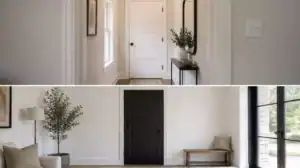 Black or White Interior Doors for a House With Light Walls?
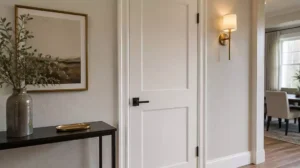 Should Door Hardware Match Light Fixtures?
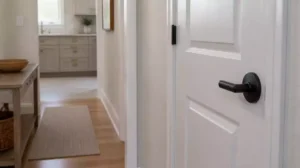 Should Door Handles Match Cabinet Hardware?
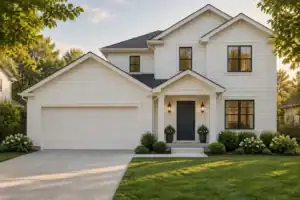 Should Your Front Door Match Your Garage Door?
 How to Paint Interior Doors Black Without Making the Trim Feel Disconnected
 12 Oak Doors With White Trim That Actually Look Designed