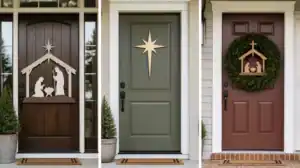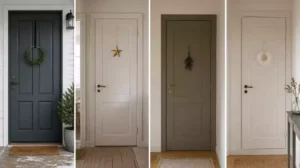

Choosing between wood vs. glass front doors creates a fundamental tension between maintaining a private sanctuary and welcoming natural light into your home. This guide narrows down the 10 critical trade-offs required to help you decide with confidence and avoid long-term regret. Let’s start with privacy.
1. PRIVACY

Control your home’s boundaries by balancing the sanctuary of solid wood against the modern allure of obscured glass.
As an Amazon Associate I earn from qualifying purchases. Affiliate links may earn me a commission at no extra cost to you.
Choosing a front door often feels like a balancing act between the “Goldfish Bowl” effect and your desire for a bright home. When you install a door with large clear glass panels, you are essentially inviting the neighborhood into your foyer every time someone walks past your porch.
For many, solid wood remains the gold standard because it acts as an absolute barrier. It provides a psychological sense of “closed-off” security that glass simply cannot replicate, ensuring that your private life remains entirely out of sight.
The Visual Screening Factor
Solid wood hides who is at your door entirely, which can be a drawback if you prefer to identify visitors before opening the door. Glass allows you to see out, but it also allows others to see in unless you opt for specific textures or films.
If your heart is set on the light that glass provides but you aren’t comfortable with total transparency, you have to look at your options for compromise. Clear glass is usually not recommended for high-privacy needs, but frosted or textured glass is an effective alternative.
These options obscure silhouettes while still admitting light, though you do sacrifice the clarity of the view outside. If you find yourself in a home with a dark foyer and opt for a glass door, you can always apply a high-quality, opaque window film as a secondary fix.
Privacy Quick-Check:
- Is your home located on a busy sidewalk or directly facing a neighbor’s window?
- Do you feel exposed when you are moving through your entryway during the evening?
- Would you be comfortable with the “blurred silhouette” effect of frosted glass, or do you require a total visual block?
Keep in mind that while window films can mimic the look of frosted glass, they will never match the inherent “solid” feel of a wood door. Once you have determined your personal privacy threshold, you can move on to the next trade-off: how much natural light you are willing to sacrifice for that sense of security.
⭐ Top Privacy Solutions for Front Doors
✨ Editor’s Pick
Black Fiberglass Entry Door With Frosted Glass
Clear Tempered Glass Insert Replacement Kit
Natural Pine Exterior Door With Clear Glass
⚖️ Quick Decision Guide: Privacy vs. Visibility
- Choose solid wood if: You prioritize total seclusion and live in a high-traffic urban or street-facing location.
- Skip the wood door if: Your foyer is already a dark, windowless tunnel that feels cramped and lacks natural light.
- Pair glass with: High-quality, opaque window film or textured glazing to maintain light while obscuring interior silhouettes.
2. NATURAL LIGHT

Transform a cramped, windowless entryway into a welcoming space by choosing the right light transmission.
Walking into a home that feels like a windowless tunnel is a common source of renovation regret. If your foyer lacks nearby windows, opting for a solid wood door effectively seals off the last remaining path for sunshine, forcing you to rely on artificial lighting even at high noon.
For many homeowners, the front door is the single most effective tool for expanding the perceived square footage of a small entryway. By choosing a glass-heavy design, you aren’t just adding brightness; you are creating a visual connection to the outdoors that makes the entire home feel larger and more open.
Light transmission is about more than just electricity bills; it’s about the psychological shift of feeling connected to your surroundings.
When you start shopping, you will see doors categorized by how much light they let in. Understanding these tiers helps you balance the need for brightness with your comfort level regarding privacy:
- Full-light doors: These offer 80–90% light transmission. They act almost like an additional window, which is ideal if your entryway is particularly deep or narrow.
- Half-light doors: These provide 40–50% light transmission. This is often the sweet spot for homeowners who want to prevent the “cave” effect without feeling like they are living in a display case.
- Solid wood doors: These provide 0% light transmission. If you choose this route, be prepared to invest in high-output foyer lighting or smart motion-sensor fixtures to compensate for the permanent shade.
Mistake to Avoid: Don’t underestimate how much light you’ll lose if your porch is covered or north-facing. In these cases, a half-light door may still leave your foyer feeling dim, making a full-light glass option the safer bet for brightness.
While glass is the clear winner for illumination, it does bring the conversation toward thermal performance. More light often means more surface area for heat transfer, which is exactly why we need to look at how these materials handle your local climate.
⭐ Lighting Up Your Home Entrance
Venting Exterior Front Door Glass Replacement Kit
✨ Editor’s Pick
Custom Cut Tempered Glass Door Insert Panel
Double Pane Exterior Door Glass Replacement Kit
🏡 How This Works in a Real Home:
- Porch orientation: A north-facing porch with a full-light door still feels dark; choose clear glass here.
- Foyer depth: In narrow hallways, glass creates a “borrowed light” effect, tricking the eye into seeing more space.
- Daily upkeep: Glass doors in high-traffic homes require weekly wiping to remove fingerprints, unlike low-maintenance solid wood.
3. INSULATION AND ENERGY EFFICIENCY

A properly sealed door keeps the elements outside where they belong, maintaining your home’s comfort.
There is nothing quite as disruptive as the feeling of a cold draft snaking across your ankles when you are standing in your foyer on a sub-zero day. When evaluating your front door, you have to look past the surface and consider the thermal performance, or U-value, of the materials you are choosing.
Solid wood is a naturally dense material, typically offering a U-value between 1.8 and 2.2. Glass, by comparison, is a notorious thermal weak point. A standard single-pane glass unit can have a U-value as high as 4.0 to 5.0, which essentially turns your entryway into a massive heat sink.
You do not have to settle for a drafty entryway just because you want a lighter, glass-heavy aesthetic. Modern glass technology has come a long way, and incorporating double or triple-glazed units with low-e coatings effectively bridges the performance gap between glass and wood.
Pro Tip: If you live in a region with extreme climate shifts, prioritize triple-glazed glass. It matches the thermal performance of a solid wood door while still providing the natural light you crave.
The most critical factor in your home’s thermal efficiency is often not the material of the door itself, but the air-sealing and jamb quality. A top-tier, triple-glazed glass door will still feel drafty if it is poorly hung, while a high-quality wood door will fail to keep your home warm if the weather-stripping is loose or the threshold is not perfectly plumb.
Avoid This Mistake: Do not assume your door material is the sole cause of high energy bills. Before replacing your door, check your current jambs and weather-stripping; if you feel a breeze, your efficiency issue is likely a mechanical seal problem, not a material deficiency.
⭐ Insulation Essentials for Energy Efficiency
Adjustable Weather Stripping Door Bottom Seal
Vinyl Replacement Insert For Aluminum Thresholds
✨ Editor’s Pick
Adjustable Double Bubble Door Bottom Sweep Seal
The flow of your entryway defines how you experience your home every single day, yet you only need a few high-impact decisions to get it right. Focusing on these core elements simplifies the process and removes the weight of choosing every detail perfectly.
🎯 Where to Focus:
- Prioritize natural light by auditing your front door layout effectively.
- Consider how daily transitions shift when you upgrade your entrance.
- Narrow your search by identifying the one major functional bottleneck today.
4. SECURITY

True home security depends on the strength of your assembly, not just the door material.
It is a common misconception that a solid wood door is inherently more secure than one with glass. In reality, a door is only as strong as its weakest link, and that almost never has anything to do with the decorative paneling.
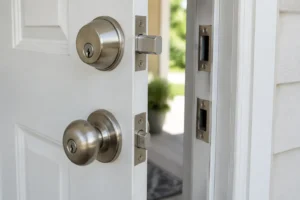
Whether you choose wood or glass, your home’s security relies on the integrity of the assembly. The real failure points are the strike plates, the depth of the deadbolt, and the quality of the hinges.
The Security Reality Check: A flimsy, thin wood door with a weak jamb will fail faster than a high-end, professionally installed door featuring reinforced glass. If security is your primary concern, your budget should be directed toward high-quality hardware and a reinforced strike plate rather than the material of the door itself.
If you prefer the look of glass, you do not have to sacrifice safety. Modern glazing technology allows for the use of laminated glass, which acts as a shatter-resistant barrier that is significantly harder to penetrate than standard single-pane glass.
One distinct advantage wood holds is the benefit of visual screening. A solid wood door hides your interior assets and occupants entirely from prying eyes, whereas glass requires you to be more mindful of what is visible from the street.
Avoid this mistake: Never rely on standard, non-laminated single-pane glass if you are concerned about forced entry. If you choose a glass-heavy design, verify that the unit is specifically rated for security and that the glazing is properly captured within the door frame to prevent easy removal.
Ultimately, a secure home is the result of a well-plumbed frame and quality hardware. Regardless of your material choice, ensure your installer uses long, heavy-duty screws to anchor the strike plates directly into the wall studs, effectively turning your door frame into a structural part of your home.
⭐ Best Security Upgrades for Front Doors
✨ Editor’s Pick
Heavy Duty Matte Black Door Lock Set
Stainless Steel Concealed Security Flush Door Bolts
Reinforced Oversized Door Strike Plate Guard
🧰 Questions for Your Installer:
- Frame reinforcement: How will you anchor the strike plate to the studs to prevent kick-in attempts?
- Glazing security: Can you confirm the glass unit is laminated and properly captured within the door frame?
- Hardware compatibility: Do the hinges and deadbolt meet high-security standards for this specific door weight and material?
5. MAINTENANCE

Protect your curb appeal by choosing the maintenance rhythm that fits your lifestyle.
The decision between wood and glass often comes down to the reality of your weekend schedule. If you choose a solid wood door, you are essentially committing to a multi-year cycle of care that isn’t optional if you want the door to last.
Wood is a living, breathing material that reacts to every change in moisture and UV exposure. Without a proactive maintenance routine, you will quickly see the finish begin to peel, leading to weathered surfaces and, eventually, soft spots or rot.
The Wood Refinishing Cycle: Expect to inspect your wood door annually for hairline cracks or fading. You will need to sand and re-seal the surface every 3 to 5 years to maintain its integrity against the elements.
Glass is entirely different. It is a passive material that ignores the weather, requiring only occasional cleaning to keep it looking sharp. If you are the type of homeowner who wants to “set it and forget it,” glass is the obvious winner.
Many homeowners try to compromise with a “Glazed Hybrid” – a wood door that features a glass panel insert. While these look fantastic, they still demand wood maintenance because the frame remains exposed to the elements. You are simply reducing the total square footage of wood that requires your attention, not eliminating the labor entirely.
Critical Warning: Always inspect the factory seal around any glass panel. If that seal fails, moisture gets trapped between the panes, creating a permanent, cloudy haze that is impossible to clean and requires a full glass unit replacement.
If you aren’t prepared for the labor of wood, don’t force it just for the aesthetic. A neglected wood door is a liability that degrades your home’s appearance faster than a simple, clean glass alternative.
⭐ Maintenance Kits to Keep Doors New
Stainless Steel Sliding Patio Door Track Cover
✨ Editor’s Pick
Water Based Wood Grain Furniture Paint
Paintable Indoor And Outdoor Acrylic Latex Sealant
🏡 Real-Home Application: Keeping Up with Wood
- Seasonal timing: Schedule your annual wood inspection for early autumn, just before the humidity shifts and winter weather arrives.
- Daily maintenance: Simply wipe wood panels with a microfiber cloth to prevent grit from scratching the protective sealant finish.
- Natural aging: If your door faces direct sun, use a UV-inhibiting stain to prevent the wood from bleaching unevenly.
6. DURABILITY

Protecting your investment against the elements ensures your entrance stays beautiful and structurally sound.
When you choose a front door, you are essentially selecting how your home will handle the daily assault of the elements. Wood is a living, breathing material that reacts to its environment by expanding and contracting with seasonal humidity cycles. If you don’t start with kiln-dried timber, you are setting yourself up for warpage that can make a door stick, bind in its frame, or fail to latch properly during the humid summer months.
Glass, by contrast, is entirely immune to the rot, swelling, and thermal contraction that plagues wood. It remains dimensionally stable regardless of whether you live in a baking desert or a rain-soaked coastal region. This makes glass the superior choice for homes facing direct, harsh sunlight or driving rain, where a wood door would require a punishing maintenance schedule just to keep the finish from peeling or checking.
The Hybrid Vulnerability: Many modern doors use glass panels set into wood frames. While this looks fantastic, the joint where these two materials meet is a common failure point. If the manufacturer hasn’t used high-grade, properly cured timber and high-performance weather-seals, water can seep into that seam, leading to hidden rot inside the wood frame that you won’t see until it is too late.
If your heart is set on the warmth of wood but your local climate is aggressive, there is one non-negotiable rule: protective coverage. A deep porch or a significant architectural overhang is the single most effective way to extend the lifespan of a wood door. Without that shelter, you are asking the wood to withstand direct exposure, which accelerates the breakdown of your sealants and forces you into a cycle of frequent refinishing.
Mistake to Avoid: Do not install a wood door in an exposed, south-facing entry without significant architectural cover. The UV rays and moisture cycles will break down even the most expensive exterior-grade finishes within a few seasons, leading to unsightly wood grain checking and potential structural instability.
Ultimately, durability comes down to managing the moisture. If your entryway is exposed to the weather, glass is the low-stress winner. If you opt for wood, commit to the annual inspections needed to catch small cracks in the finish before they become deep-seated rot.
⭐ The Most Durable Doors to Consider
Nine Panel Clear Glass Double Entry Doors
Heavy Duty Stainless Steel Door Pivot Hinges
✨ Editor’s Pick
Stable Composite Front Entry Door System
🔢 The Right Sequence: Protecting Your Door’s Longevity
Following this order prevents moisture from becoming trapped, which is the most frequent cause of premature door failure.
- Inspect the seals: Check the factory-applied weather-stripping and glass glazing before the door is even hung.
- Apply protective finish: Ensure all six sides of a wood door are sealed before installation begins.
- Install proper drip-cap: Add a metal drip edge above the frame to divert water away from the door.
7. COST

Balancing your initial investment against the long-term reality of maintenance and energy performance.
When you start pricing out front doors, the gap between wood and glass often feels confusing. You are essentially choosing between the cost of raw, natural timber and the cost of precision-engineered glazing.
Solid wood doors range from a basic $400 entry-level slab to over $5,000 for custom, artisanal joinery. While a $400 door might look decent on the showroom floor, it is almost always a trap. These budget options are prone to rapid warping and often lack the structural integrity to withstand seasonal humidity shifts, which means you will likely pay for a replacement much sooner than expected.
Glass doors occupy a different financial lane. You are generally looking at a range of $700 to $3,000, but the price here is dictated by the engineering of the glazing. A double-pane unit with advanced Low-E coatings will consistently command a higher price than a standard glass panel, but that extra cost pays for thermal comfort and reduced energy waste.
Avoid the “Cheap Wood” Trap
Do not compare a $500 wood door to a $2,000 glass door; they are not performing the same job. When you buy wood, you are financing a recurring maintenance schedule of sanding and sealing. If you aren’t prepared for that labor, a glass door is almost always the more cost-effective choice over a ten-year lifespan.
⭐ Great Cost-Effective Doors for Your Home
✨ Editor’s Pick
Double Pine Dutch Door Slab With Glass
Adjustable Door Lock Hole Saw Installation Kit
Interior Door Pet Pass Through Door Kit
8. STYLE FIT

Aligning your door material with your home’s architecture preserves character and protects your property value.
Your front door acts as the handshake of your home. It communicates the architectural language of the structure before a guest even steps inside, which is why choosing between wood and glass is as much about cohesion as it is about function. When a door clashes with the bones of a house, it creates a visual dissonance that can make the entire facade feel disjointed.
Wood is the traditional choice for homes with historical roots. It belongs naturally on Colonial, Craftsman, or Victorian properties where the warmth of the grain and the weight of the material reinforce a sense of heritage and permanence. Using a solid wood door in these settings honors the craftsmanship of the original design, helping to maintain the curb appeal that buyers in historic districts expect.
The Mismatch Risk: Installing a minimalist, full-glass door on a traditional home often backfires. It can make the entrance look thin or out of place, effectively lowering the perceived property value by signaling that the home is suffering from an identity crisis.
On the flip side, glass is the primary language of Modern, Contemporary, and Mid-century homes. These styles lean into transparency, geometric lines, and the blurring of boundaries between the interior and the exterior landscape. In these homes, a solid wood door can feel heavy or fortress-like, whereas a glass-heavy door emphasizes the clean, open aesthetic that defines the architecture.
If you are struggling to decide which direction fits your home, look closely at your existing window frames. This is a reliable indicator of the material “weight” your house can handle:
- Heavy Wood Frames: If your windows are encased in substantial wood trim, a glass-heavy door might look visually “light” or flimsy. Stick to wood or, at the very least, a wood-framed door with glass inserts to maintain balance.
- Thin or Hidden Frames: If your home features modern, narrow-profile windows or frameless glass, a heavy, ornate wood door will likely look bulky and archaic. Lean into the transparency of glass to keep the facade feeling light and intentional.
Ultimately, your goal is to choose a door that feels like it was always meant to be there. By matching the material to your home’s architectural era, you avoid the common pitfall of selecting a door that looks like a trendy afterthought rather than a permanent improvement.
⭐ Stylish Front Doors That Make an Impression
Matte Black Entry Door Knobs With Lock
✨ Editor’s Pick
Triangle Metal Frame Entrance Door Awning
Commercial Grade Brass Mortise Cylinder Locks
⚖️ Quick Decision Guide: Matching Your Architecture
- Choose solid wood if: Your home features Colonial, Craftsman, or historic details where heavy, organic textures ground the entrance.
- Skip solid wood if: Your facade relies on minimal, sharp, or mid-century lines where a heavy door would look bulky.
- Pair it with: Match your door hardware finish directly to your home’s existing exterior light fixtures for a cohesive, intentional look.
9. BEST USE CASES

Matching your door material to your home’s climate and privacy needs prevents regret.
Choosing the right door is less about following trends and more about matching the material to your home’s specific environment. If you live in a region that experiences harsh seasonal shifts or extreme cold, a solid wood door is often your most reliable partner. It provides the heavy-duty insulation required to keep drafts at bay, and in historic districts, it is frequently the only choice that maintains the architectural integrity of your home.
Glass, on the other hand, thrives in situations where the interior is starved for light. If your foyer feels like a windowless tunnel at midday, a glass-heavy door is the most effective way to brighten the space without major structural renovations. It works best for homes with private setbacks where you don’t need to worry about street traffic peering into your living room.
The Urban Compromise: If you love the light from glass but live on a busy street, you don’t have to choose between a dark house and a lack of privacy. Using frosted or textured glass allows you to reclaim that natural light while completely obscuring the view from curious passersby.
When you are deciding which direction to go, use this quick situational audit to clarify your priorities:
- Choose Wood If: You have a home in a cold or exposed climate where thermal performance is your primary concern, or if you live in a historic zone where traditional aesthetics are required for curb appeal.
- Choose Glass If: Your foyer is dark or cramped, you have a private, gated, or well-set-back entrance, or you live in an urban environment where you want to maximize the feeling of space and light.
Warning: Professional installation is non-negotiable for glass doors. If your door frame is even slightly out of plumb, the glass can experience stress and crack over time; always ensure your installer is experienced with heavy glazing.
⭐ Shop These Standout Door Entry Products
Solid Brushed Brass Front Door Mail Slot
Heavy Duty Magnetic Fiberglass Mesh Screen Door
✨ Editor’s Pick
Stable Steel Frame Door Entrance Sunshade Canopy
🧰 Questions for Your Installer:
- Glazing integrity: How do you ensure the glass seal remains protected against thermal stress during the installation process?
- Frame alignment: Will you check that the jambs are perfectly plumb to prevent future binding or glass cracking?
- Warranty terms: Does your installation guarantee cover potential seal failure or moisture intrusion if the door shifts slightly?
10. FINAL VERDICT

A balanced entrance brings together your need for security and the light you crave.
Choosing between wood and glass isn’t about finding a universal winner; it is about identifying which trade-off your home can afford to make. Every entrance has a primary pain point, and your goal is to select the material that resolves your most pressing issue without creating a new one elsewhere.
The Final Decision Framework relies on your tolerance for maintenance and your specific environmental needs. If the “Goldfish Bowl” effect of a glass door makes you feel exposed, or if you live in a historic zone where character is non-negotiable, stick with wood. You are choosing the absolute barrier of timber, accepting that you will need to sand, seal, and protect that investment every few years to keep it from failing.
Choose Wood If: You value historical authenticity, absolute visual privacy, and are willing to commit to a 3–5 year maintenance cycle to prevent rot and warping.
Choose Glass If: Your foyer is a dark tunnel, you prefer a low-maintenance exterior, or your modern home design requires the clean lines and transparency that only glass provides.
Regardless of the material, remember that the door is only as good as its installation. A high-end, triple-glazed glass door will still leak air if the jambs aren’t square, and a premium solid walnut door will warp prematurely if it lacks a proper protective overhang. The most expensive material in the world cannot compensate for a poor seal or a frame that wasn’t properly plumbed.
If you are still weighing the options, ask yourself what you want to feel when you walk through the door at the end of a long day. If you want the weight and warmth of a solid, traditional barrier, the choice is clear. If you want the visual expansion of your square footage and a bright, airy welcome, the decision leans toward glass.
⭐ The Final Verdict: Our Door Essentials
✨ Editor’s Pick
Black Exterior Entry Door Handle Set No Lock
Traditional Matte Black Front Door Handleset
Artificial Heart Shaped Olive Leaf Door Wreath
With all ten trade-offs laid out, the path forward becomes much more manageable. You do not need to address every factor to achieve a superior result; instead, focusing on the two or three requirements that directly solve your most pressing entryway pain points is what actually dictates the long-term success of your home’s facade.
Determine your priority between light and privacy, and you will find that the best material choice naturally surfaces. Once you have identified those core needs, explore styles that upgrade your home to finalize your decision with total confidence.
Related posts
 10 Cream Front Doors That Pair Perfectly With Natural Wood Tones
 How Long Do Wood French Doors Last With Glass
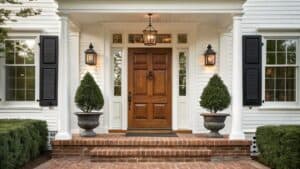 12 Wood Front Door Color Ideas for Timeless American Homes
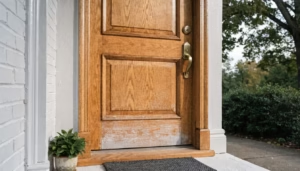 How to Maintain a Wood Front Door (And When It’s Not Worth It Anymore)
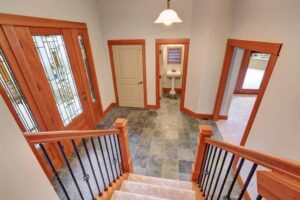 Leadlight Doors and Stained Glass Doors
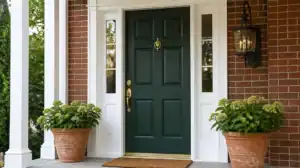 Why Deep Green and Navy Front Doors Are Easier to Live With Than Black
 Sliding Glass Doors: The Hidden Shattering Dangers
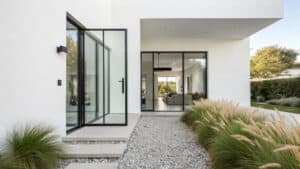 11 Modern Glass Doors That Maximize Natural Light