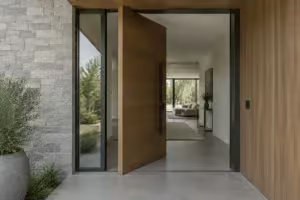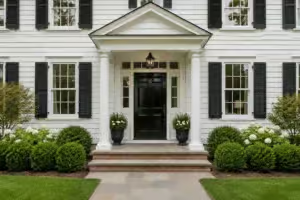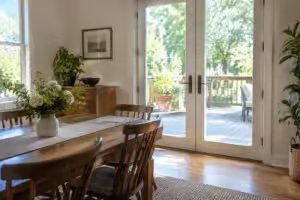

Achieving a garden-integrated cottage front door relies on balancing structured sidelights with the organic, wild nature of climbing roses. This guide rounds up 11 door ideas worth saving to help you secure a romantic, informal entry that fits your home perfectly. Let’s start with the arched oak.
Arched Oak Door

Embrace the organic curves of an arched entrance to perfectly frame your climbing roses.
As an Amazon Associate I earn from qualifying purchases. Affiliate links may earn me a commission at no extra cost to you.
The soft, rounded profile of an arched oak door inherently mimics the natural drape of climbing roses, creating a seamless transition between hard architecture and garden life. This style is for the homeowner who prioritizes a high-end, custom look over a quick-fix installation.
The High-Maintenance Reality
Oak is remarkably sensitive to moisture and will swell, warp, or rot if left exposed to the elements. You must commit to an annual maintenance schedule that includes resealing the bottom rail and all glazing edges to keep the wood integrity intact.
If you live in a humid climate or an area with frequent driving rain, this choice requires professional-grade exterior sealants. Skipping the seasonal upkeep will lead to hardware binding and structural decay within just a few years.
⭐ Arched Oak Door Accents to Consider
✨ Editor’s Pick
Curved Arch Doorway Trim Molding Kit
Composite Front Entry Door With Ironwork
Exterior Wood Door Bottom Weather Sweep
💰 What This Really Costs
- The real range: Expect to spend between $1,600 and $3,200 for a single-sidelight assembly, with luxury custom options exceeding $10,000.
- Hidden cost: Budget an extra 15-20% for professional installation, especially if your current rough opening requires structural modification.
- Worth it: Opt for high-grade mahogany or oak; cheaper woods will warp rapidly in garden-adjacent settings, negating your investment.
Sage Green Door

A muted, earthy sage backdrop turns white climbing roses into the star of the entry.
For a cottage garden, muted, earthy tones like sage green act as a perfect neutral. They provide enough depth to ground the entryway without competing with the organic, wild nature of your garden. For planting ideas, see how to plan entrance planting.
High-contrast, dark colors can often feel too urban or rigid for a traditional cottage setting. By choosing a pale, desaturated finish, you ensure a softer transition between your home’s exterior and the surrounding floral canopy.
Pro-Tip for Color Pairing: Pair your sage green door with white rose canopies. This combination creates a calm, cohesive palette that emphasizes the cottage character instead of overwhelming it with clashing colors.
If you are looking for an informal threshold, avoid going too dark with your paint choice. Light, earthy tones like sage, moss, or soft olive keep the entryway feeling like an extension of the garden rather than a formal, architectural barrier.
⭐ Sage Green Door Essentials We Love
Matte Black Entry Door Knob Set
✨ Editor’s Pick
Double Exterior Entry Doors With Glass
Pine Dutch Door Slab With Glass
💡 Why This Color Choice Works:
- Visual Harmony: Sage green’s desaturated, earthy undertones mirror the natural greens of rose foliage, preventing the door from feeling like an artificial, jarring interruption.
- Soft Contrast: Unlike high-contrast black or navy, sage provides a gentle backdrop that allows white blossoms to stand out without the entry feeling overly formal.
- Timeless Appeal: This muted finish ages gracefully alongside weathered stone or timber siding, helping your home blend seamlessly into the cottage garden.
Powder blue door

Create a seamless, airy transition between your home and the garden with soft, sky-inspired tones.
A powder blue door works best as a soft transition between the interior of your home and the surrounding garden. This color choice thrives on homes with white or light-grey siding, where it adds a gentle pop of pigment without overwhelming the facade.
Pro Design Tip: To maintain the airy, light-filled aesthetic this color promises, keep your sidelights strictly clear. Avoid heavy etching or frosted patterns that can block natural light and make the entryway feel closed off.
This style is an ideal fit for those who want their entryway to feel open and inviting rather than imposing. It pairs exceptionally well with white climbing roses, which complement the cool blue tones while keeping the overall palette clean and cohesive.
If you are aiming for a high-contrast, bold look, this color might not be for you. It is specifically designed for homeowners who prefer a calm, informal cottage character over architectural drama.
⭐ Powder Blue Door Upgrades to Buy
Sliding Barn Wood Door Slab Kit
Adjustable Black Door Sweep For Exterior
✨ Editor’s Pick
Boho Farmhouse Fall Front Door Wreath
🏡 How This Works in a Real Home:
- Entryway exposure: Use a composite or fiberglass door base to avoid rot from irrigation splash or humidity.
- Daily convenience: Ensure your sidelights are reachable for cleaning, as rose petals and pollen can leave markings.
- Natural integration: Skip high-gloss finishes; a matte or low-sheen paint makes the blue feel weathered and garden-bound.
Designing a threshold that balances organic rose growth with a permanent door structure involves a long-term commitment to material integrity. Choosing a high-grade surface ensures that your entry remains a standout feature while you learn what to know before replacing a front door so the wood stays protected for years to come.
The most durable cottage entries rely on choosing weather-resistant materials that can gracefully endure the inevitable expansion and contraction cycles of a humid, garden-heavy environment.
Cream Plank Door

A simple, handmade approach to entryways that lets your climbing roses take center stage.
The cream plank door is the anti-formal choice for a cottage garden. By stripping away geometric complexity, trim, and traditional paneling, you create an entry that feels distinctly handmade and grounded.
This design relies on the raw, vertical or horizontal texture of the planks to provide visual interest. Because it lacks the rigid structure of a pediment or pilaster, it blends naturally into an overgrown, wild garden setting.
Design Strategy: Pair this style with white climbing roses to achieve a monochromatic, clean aesthetic. The soft cream finish against white petals creates a calm, cohesive look that avoids the visual noise of high-contrast color schemes.
This entry style is ideal for homeowners who prefer a relaxed, approachable threshold over architectural posturing. If you are looking for a door that feels like a natural extension of the garden rather than a structured wall, this is your best path.
Skip this option if your home follows strict colonial or formal Georgian symmetry. The rustic, informal nature of a plank door will clash with high-precision architectural styles that rely on balanced, ornate hardware and clean lines.
⭐ Cream Plank Door Finds for You
✨ Editor’s Pick
Mirror Aluminum Alloy Bifold Closet Doors
Rustic Farmhouse Fall Floral Door Wreath
Heart Shaped Olive Wreath For Doors
💡 Why This Works:
The cream plank door succeeds because it embraces “honest” construction. By opting for a finish that mimics raw, unstained timber or simple painted wood, you allow the natural imperfections of the planks to soften the threshold. It turns your entry into a quiet, textural base that lets the vibrant, chaotic beauty of climbing roses define the overall mood of the garden.
Visual Benefit: A monochromatic palette centers focus on the organic shapes of the roses rather than the door’s architecture.
Stable-Style Door

Experience the functional charm of an open-air entryway that invites the garden inside.
The stable-style door – or Dutch door – is perhaps the most recognizable signal of a classic cottage aesthetic. By splitting horizontally, it creates a unique threshold that allows you to vent the house while keeping small children or pets safely contained.
This design is ideal for homeowners who want to maximize airflow during the humid months while staying protected from the elements. Because the door features more moving parts and exposed horizontal edges than a standard single-leaf design, it requires specific attention during installation.
Pro-Tip for Maintenance:
Because the split design creates an extra horizontal edge, moisture can easily collect on the top surface of the bottom door leaf. Use high-quality, rust-resistant hardware and ensure the top cap is properly flashed or sealed to prevent wood rot over time.
If you are planning a stable door for a garden-integrated entryway, keep these functional requirements in mind to ensure longevity:
- Hardware Selection: Choose marine-grade or stainless steel latches and hinges to prevent corrosion in high-moisture garden settings.
- Weatherstripping: Ensure the horizontal split is equipped with a high-quality weather seal to prevent drafts and water intrusion.
- Frame Support: Because the door is split, the door frame must be perfectly plumb and structurally sound to avoid sagging or misalignment of the two sections.
This style is a perfect fit for informal, lived-in cottage entries where the boundary between the garden and the interior feels blurred. If you prefer a highly formal or ultra-secure urban look, you may find the visible split and rustic hardware distracting; however, for those chasing a true romantic cottage feel, this is an unmatched choice.
⭐ Stable-Style Door Essentials We Love
Magnetic Screen Door For Front Entry
✨ Editor’s Pick
Solid Pine Wood Dutch Door Slab
Large Indoor Cat Door For Interior
🏡 Real-Home Application
- Entryway ventilation: Keep the top leaf open on mild garden days to pull a cross-breeze through the house.
- Pet and kid safety: Secure the bottom latch firmly to prevent curious toddlers or pets from wandering into the garden.
- Soft, lived-in styling: Pair the split-door frame with a simple door mat and terracotta pots to ground the rustic design.
Diamond-Pane Door

A jewel-box entryway that captures light and reflects the intricate beauty of your garden roses.
The diamond-pane design creates a distinct “jewel-box” aesthetic that mirrors the complex, layered foliage of climbing roses. This style works best for homeowners who want to lean into a classic English cottage look rather than a modern, minimalist entrance.
Warning: This design requires precise drainage and high-quality seals to prevent water from sitting in the diamond intersections. Do not attempt this in extremely wet climates unless the glazing system is specifically rated for high-moisture exposure.
Because of the sheer number of glass-to-wood joints, maintenance is non-negotiable. You must ensure the glazing beads are perfectly sealed to prevent water infiltration, which can lead to rot at the intersections.
If you live in a drier region, this door is an excellent choice for adding character to an otherwise plain facade. It pairs perfectly with sidelights, as the repeating diamond pattern creates a cohesive, light-filled threshold.
⭐ Diamond-Pane Door Accents to Consider
Single Frosted Glass Interior Door Slab
Five Panel Frosted Glass Pantry Door
✨ Editor’s Pick
Frosted Glass Pantry Door Slab Panel
📋 Quick Reality Check Before You Order:
- Rough opening size: Confirm your current frame can support sidelights without requiring expensive structural header or masonry modifications.
- Moisture exposure: Check if your entry has adequate roof overhang to protect the intricate diamond glazing from direct rain splash.
- Cleaning access: Consider how you will reach those small panes; intricate patterns require more frequent, careful attention to stay clear.
Cottage Leaded Glass

Bring soft, diffused natural light into your entryway with a classic, heritage-inspired glass design.
Cottage leaded glass relies on simple, thin lead work to create that classic “lantern-like” glow at your threshold. Unlike modern, heavy bevelled glass, this style emphasizes the grid pattern without distracting from the wild, organic shape of your climbing roses.
Sidelights are your secret weapon here. They allow you to pull in maximum natural light without needing to install a wider, more formal door leaf that might look out of place in a small cottage facade.
Design Tip for Leaded Patterns
Stick to minimalist geometric patterns like traditional diamond or square grids. If the lead work becomes too ornate or flowery, it will clash with the actual roses growing around your door frame.
Before you commit to this look, ensure your glazing system is up to the task. Leaded glass is essentially a collection of small glass pieces held together by strips of lead, which can be vulnerable to water seepage if your sealants aren’t maintained.
If you live in a high-humidity zone or an area with heavy rainfall, double-check that your supplier uses exterior-rated lead caming. Proper drainage at the base of every glass pane is non-negotiable for a long-lasting cottage entry.
⭐ Cottage Leaded Glass Doors We Love
✨ Editor’s Pick
Venting Entry Door Glass Replacement Kit
Exterior Front Door Glass Replacement Kit
Black Fiberglass Entry Door Slab Panel
🧰 Questions for Your Installer
- Exterior-grade caming: Can you confirm the lead caming is specifically rated for high-moisture outdoor exposure?
- Drainage channels: How will your installation prevent water from sitting in the corners of the lead intersections?
- Maintenance schedule: What specific sealant or cleaning frequency do you recommend to preserve the lead work’s integrity?
White Rose Canopy

Create a fragrant, living archway that softens the transition from garden to home year-round.
A white rose canopy provides a classic, ethereal look that feels perfectly at home in a cottage garden. Because white is a neutral floral tone, it works best when paired with muted, pale door colors like sage green, powder blue, or soft cream to prevent the entryway from feeling visually cluttered.
Structural Integrity Checklist
Never attach rose supports directly to your door frame or casing, as the moisture trapped by foliage will lead to rot within a few seasons. Follow these spacing guidelines to ensure your roses thrive without damaging the structure:
- Independent mounting: Use a freestanding or wall-mounted trellis that keeps the roses at least 15 cm away from the house siding.
- Straining wires: Install horizontal galvanized wires at intervals of 30 to 45 cm to help train the canes upward and outward.
- Weight distribution: Ensure your support structure is anchored into solid masonry or framing, not just the siding, to handle the weight of mature, heavy canes.
This design is ideal for homeowners who want to emphasize a romantic, wild garden aesthetic without overpowering the home’s architecture. If you prefer a highly manicured or modern entry, skip this option, as the natural, informal growth of climbing roses requires regular pruning to keep the doorway accessible.
⭐ White Rose Canopy Finds for You
Metal Wreath Hanger For Front Door
✨ Editor’s Pick
Black Exterior Entry Door Handle Set
Solid Brushed Brass Mail Slot Set
🔢 The Right Sequence for Rose Success
Installing your support structure before painting the door prevents accidental damage and ensures your hardware, hinges, and finish stay pristine throughout the process.
- Mount supports: Anchor your trellis or wire system firmly into the masonry or framing first.
- Finish the door: Apply final paint or stain once all drilling and mounting dust has settled.
- Planting phase: Introduce your roses only after the finish has fully cured to avoid chemical exposure.
Blush Rose Arch

Create a romantic, garden-integrated focal point by training climbing roses over a freestanding entry arch.
The blush rose arch is for the gardener who wants their entryway to feel like a seamless part of the landscape. It works best when paired with weathered timber or natural oak doors, where the soft pink blooms and organic wood tones complement one another without competing for attention.
Structural Warning
Never attach your rose supports directly to the door frame or siding. Always anchor the arch to its own independent footings to prevent the weight of mature roses from warping your door or causing rot in the surrounding trim.
Achieving this lush, overgrown look requires patience and intentional training. Plant one rose on each side of the doorway and guide the canes upward as they grow, gently tying them to the support structure until they meet at the apex.
This design is perfect for those who accept that cottage gardening is a living, breathing project. If you prefer a static, maintenance-free appearance, this is likely not the right choice for your home.
⭐ Blush Rose Arch Decor to Consider
Clear Exterior Window Awning Rain Shelter
Fall Scarecrow Front Door Decor Sign
✨ Editor’s Pick
Black Metal Awning For Door Entrance
🧰 Questions for Your Installer
- Foundation depth: Will you use concrete footings to ensure the rose arch remains stable and frost-proof long-term?
- Material compatibility: Which rust-resistant fasteners or hardware do you recommend to prevent staining the timber door frame?
- Maintenance access: How can we design the support structure to allow for future door refinishing without disturbing the roses?
Board-and-Batten Door

Rugged vertical texture that grounds the wild, romantic chaos of climbing rose garden entries.
The board-and-batten door is the ultimate choice for those who value a rugged, handmade aesthetic over clean, modern lines. Its construction – vertical planks layered with narrow battens – creates strong, rhythmic shadows that hold their own against the sprawling, chaotic growth of climbing roses.
Because this style feels inherently historic, it works best in homes that embrace a lived-in, informal cottage character. You should choose this design if you want your threshold to feel like a permanent part of the landscape rather than a polished, showroom add-on.
Design Pro-Tip
Stick to deeply muted or natural wood tones for this door. High-gloss finishes can make the rustic battens look out of place, while earthy, matte colors allow the natural wood grain to play off the textures of your floral canopy.
Keep in mind that this door type requires regular care where the battens meet the door face. Moisture can easily wick into these seams, so ensure all edges are thoroughly sealed with a high-quality exterior sealant before the climbing roses fill in and make maintenance more difficult.
⭐ Board-and-Batten Door Essentials We Love
✨ Editor’s Pick
Stainless Steel Door Scratch Protector Plate
🏡 How This Works in a Real Home:
- Texture pairing: Use the strong vertical lines of the battens to anchor a climbing rose that has a wild, loose habit, like a rambling variety.
- Daily maintenance: Keep your garden shears handy; the tight gaps between battens can quickly become overgrown or trap fallen petals and leaf debris.
- Material longevity: Because board-and-batten creates multiple joints, prioritize high-grade composite or exterior-grade wood to prevent the edges from swelling after seasonal rain.
Weathered Timber Door

Achieve an authentic, lived-in cottage aesthetic by pairing aged wood with soft floral layers.
A weathered timber door brings immediate character to a home, offering a rugged, storied look that feels right at home in a wilder garden. This choice is ideal for those who prefer an informal, organic threshold over polished, factory-finish entryways.
Warning: While the aged appearance is intentional, the timber must remain structurally sound and protected from direct ground moisture. This look is a design choice, not an invitation to let the material decay.
Because timber is highly susceptible to the elements, this door requires diligent, consistent sealing to prevent rot in garden-adjacent conditions. If you choose this style, budget time for annual maintenance to preserve the integrity of the wood fibers.
To really lean into the romantic, overgrown cottage vibe, I highly recommend pairing this door with a blush rose arch. The soft, dusty pink of the blooms creates a perfect color contrast against the silver-grey tones of aged timber.
⭐ Weathered Timber Door Finds for You
✨ Editor’s Pick
Black Wood Touch Up Paint Pen
📈 The Long-Term Payoff
Weathered timber offers deep character that synthetic materials struggle to replicate, making it a standout feature for cottage-style resale. However, because natural wood is prone to rot in humid garden settings, its value is tied strictly to your ability to maintain a protective seal. Investing in a high-grade wood species significantly extends the life and curb appeal of your threshold.
Proactive maintenance: Consistent sealing ensures your door remains a structural asset rather than a liability at resale.
With eleven specific ways to pair sidelights with climbing roses, you now have a clear view of how to balance structure and garden growth. Focus on the one or two configurations that align with your home’s existing architecture to ensure the final result feels intentional rather than forced.
A successful threshold relies on choosing the right material – like opting for composite or wood that stands up to garden humidity – so your roses have a stable, long-term partner. When you decide on the door that fits your garden aesthetic first, the remaining details fall into place naturally. Make the call on your door frame dimensions today, and you will have a solid foundation for every floral layer that comes after.
Related posts
 11 Colonial Front Doors With Sidelights Under a Pediment
 12 Shaker Front Doors With Sidelights in Flat Recessed Panels
 14 Craftsman Front Doors With Sidelights and Shelf Molding
 11 Planter Ideas for Front Doors With Sidelights
 Top 10 Best Door Mats Under $150 for Busy Front Entrances
 The Complete Guide to Gaps Under Doors: Sizes, Purpose and How to Fix Them
 15 Door Mat for Backyard That Fits Under a Sliding Door Track
 Why Deep Green and Navy Front Doors Are Easier to Live With Than Black